







Chastity devices have come a long way, with modern designs offering better security, comfort, and practicality. One of the biggest concerns for users is ensuring their device stays secure without causing discomfort. If a chastity cage is too loose, it might slip or even fall off, which defeats its purpose. On the other hand, a poorly designed cage can lead to irritation, pressure points, or even circulation problems.
To help you find the most secure and comfortable chastity cage, here are five key factors to consider when making your choice.

1. Proper Sizing with Adjustable Rings
A secure chastity cage needs to fit snugly without being too tight. Many high-quality cages come with multiple ring sizes to accommodate different body types. For example, some models include five cuff rings, allowing users to find the perfect fit. The base ring is crucial—it should be tight enough to prevent slipping but loose enough to allow proper blood flow.
Tips for Finding the Right Fit:
- Measure the circumference at the base of the penis and test different ring sizes.
- Ensure you can slide one finger between the ring and your skin to ensure proper circulation.
- Try wearing the ring alone for a few hours before attaching the cage to test for comfort.
2. Secure Locking Mechanism
A high-security chastity cage should have a reliable locking system to prevent unauthorized removal. While traditional designs often use padlocks, modern options like hidden locks offer better security and a more discreet look.
Some advanced models feature hidden locks that eliminate the need for an external padlock, which can be bulky and uncomfortable. This design enhances security and provides a smoother, more natural fit under clothing.
Why a Hidden Lock is Beneficial:
- Reduces the risk of tampering
- Minimizes chafing and pressure points
- Offers a more discreet appearance for daily wear
3. Lightweight and Ergonomic Materials
The material of the chastity cage plays a significant role in security and comfort. Lightweight materials like high-quality plastic or resin are often better than heavy metal options, which can increase the risk of slippage and discomfort.
Some modern cages are made using 3D-printed technology, which allows for a lightweight yet durable structure that conforms to the body’s natural shape. This reduces unnecessary movement and discomfort during prolonged use.
Why Material Matters:
- Lightweight materials reduce the risk of slippage
- Body-safe, hypoallergenic materials prevent irritation
- Ergonomic designs ensure a more comfortable fit

4. Ventilation and Hygiene Features
Maintaining proper hygiene is a common concern for long-term chastity wear. A poorly ventilated cage can trap moisture, leading to discomfort or even infections. Look for designs that feature a hollow-out structure to ensure proper airflow.
Key Hygiene Benefits of a Well-Ventilated Design:
- Reduces sweating and moisture buildup, preventing bacterial growth
- Allows for easy cleaning without frequent removal
- Promotes better airflow, reducing discomfort during extended wear
Some models also include a urethral opening, allowing the wearer to urinate without removing the device. This is especially useful for long-term wear while maintaining hygiene.
5. Anatomical Fit for Maximum Comfort
One of the most overlooked factors when choosing a chastity cage is how well it fits the wearer’s body shape. An ill-fitting device can cause pinching, discomfort, or even circulation issues.
Look for cages with a curved, ergonomic design that follows the body’s natural contour. This ensures:
- Even pressure distribution reduces the risk of pressure points
- A snug but comfortable fit that prevents movement
- Secure placement without unnecessary bulk or awkward positioning
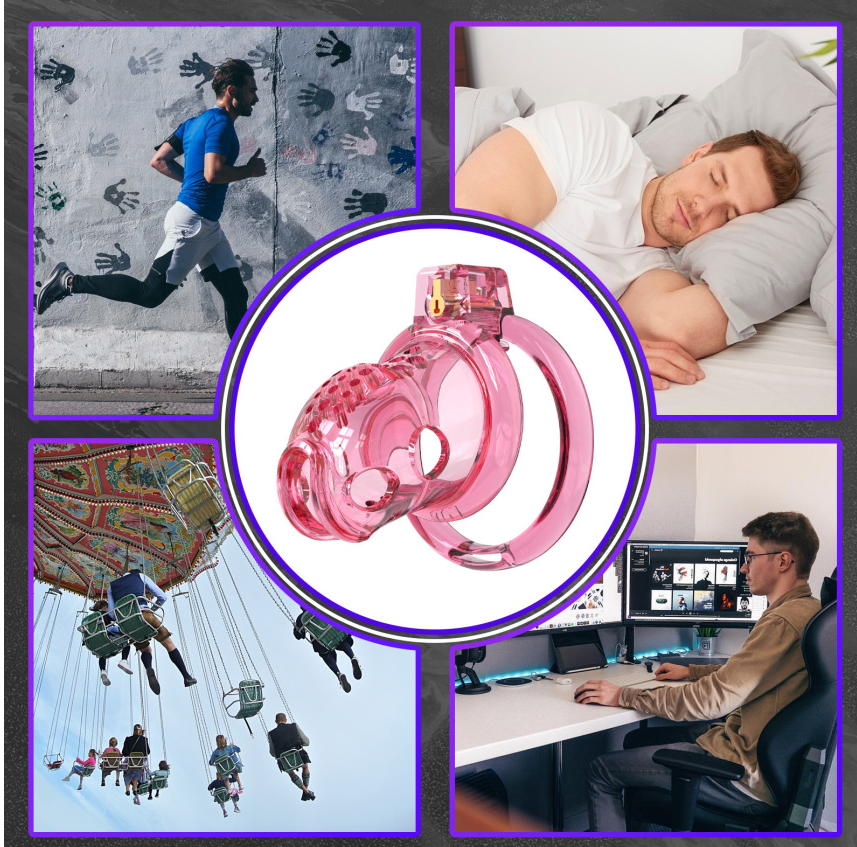
Final Thoughts: Choosing the Right Chastity Cage
Selecting a high-security chastity cage requires careful consideration of size, lock mechanism, material, ventilation, and fit. By focusing on these five key factors, you can ensure a safe, comfortable, and worry-free experience.
Whether you’re new to chastity play or an experienced wearer, choosing the correct device will make all the difference. Explore options prioritizing security and comfort to find the perfect fit for your needs.