






When choosing a chastity cage, comfort is the primary concern for long-term wear. The two most common materials—metal and plastic—offer very different wearing experiences due to their physical properties.
In practical terms, metal chastity cages often weigh 180–300 grams, while plastic or polymer cages typically weigh 40–90 grams, a difference that directly affects pressure, mobility, and fatigue over extended use.
This article compares metal vs. plastic chastity cages in terms of weight, breathability, skin sensitivity, and long-term comfort, helping you determine which material is better suited to your needs.
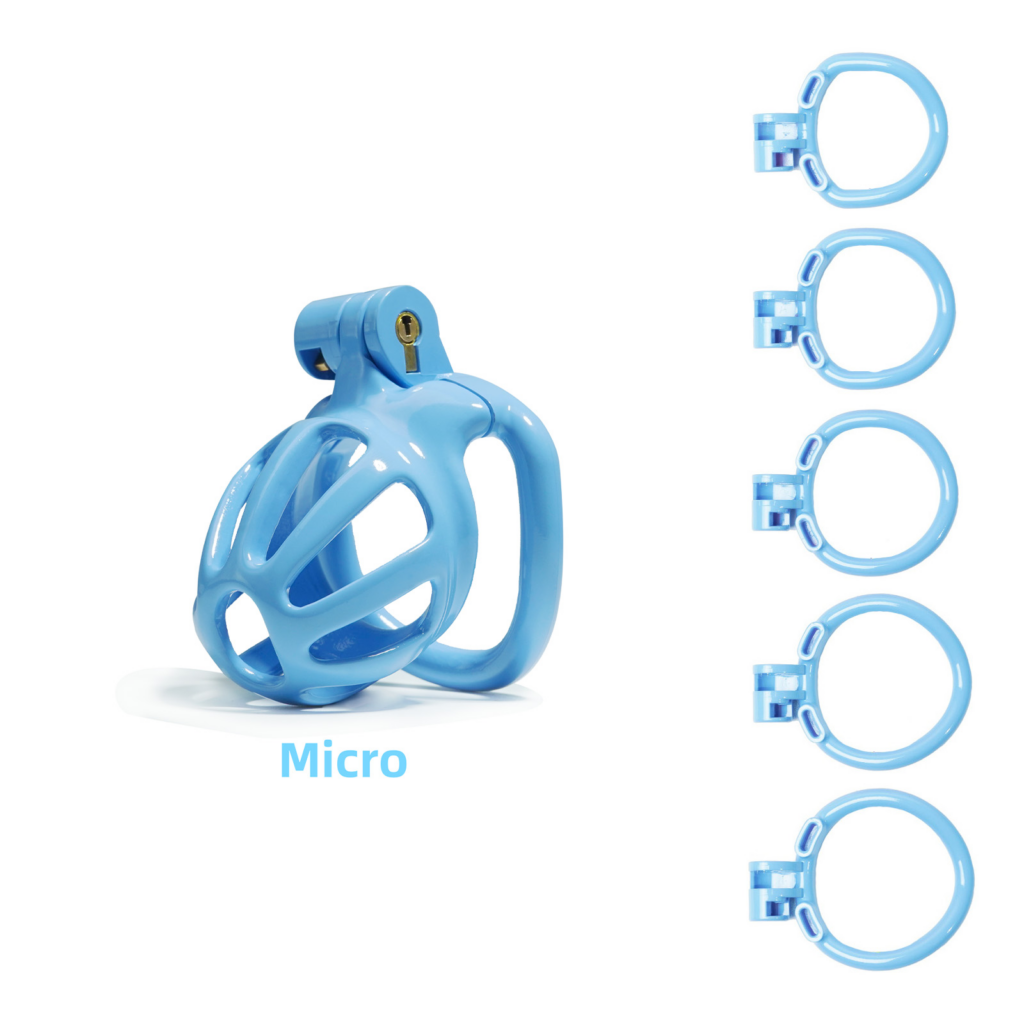
Weight and Durability: Metal vs. Plastic Chastity Cages
Metal Chastity Cages: A Heavy-Duty Option
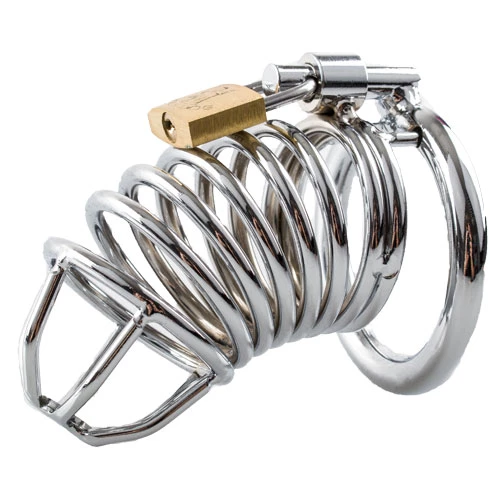
One of the defining characteristics of metal chastity cages is their weight. Metal cages are typically heavier than plastic ones, which may provide a more secure feeling for some individuals. The added weight of metal can also contribute to a greater sense of confinement, ideal for those seeking intense control and restriction. However, the weight can sometimes be a drawback for individuals who prefer a more subtle, lightweight experience.
Another essential advantage of metal is its durability. Steel, the most common metal used in chastity cages, is robust and resistant to wear and tear. This makes metal cages more secure than their plastic counterparts, as they are harder to tamper with or break. Steel also has a lower friction coefficient than plastic or resin cages, reducing the risk of discomfort or irritation due to chafing over time.
Plastic Chastity Cages: Lighter and More Flexible
On the other hand, plastic chastity cages are much lighter, which may be more comfortable for those who plan to wear their device for longer durations. The reduced weight can make the cage less noticeable, providing a more discreet experience. Plastic cages offer an appealing alternative for individuals who are not accustomed to wearing a chastity device or who prefer a less restrictive feel.
Plastic chastity cages, especially those made from medical-grade materials, are still highly durable but may not offer the same level of security and tamper resistance as metal cages. However, they are still an excellent option for individuals prioritizing comfort over heavy-duty security.
Breathability and Skin Sensitivity: Which Material is Best for Comfort?
Metal Chastity Cages: A Breathable Option with Limitations
While steel is known for being more hygienic due to its resistance to bacteria and its smooth surface, metal cages can sometimes feel warm or hot when worn for extended periods. This is especially true in warmer climates or for individuals who are more prone to sweating. However, many modern metal chastity cages feature strategic ventilation holes to enhance airflow and minimize discomfort. These holes make the cage more breathable and allow for easier urination without the need for removal.
Despite these features, metal cages can still cause skin irritation if not fitted correctly. The edges of poorly designed metal cages can rub against the skin, leading to chafing or soreness. For long-term wear, it’s essential to ensure the cage is ergonomically designed and the user is comfortable with the fit.
Plastic Chastity Cages: Ideal for Breathability and Comfort
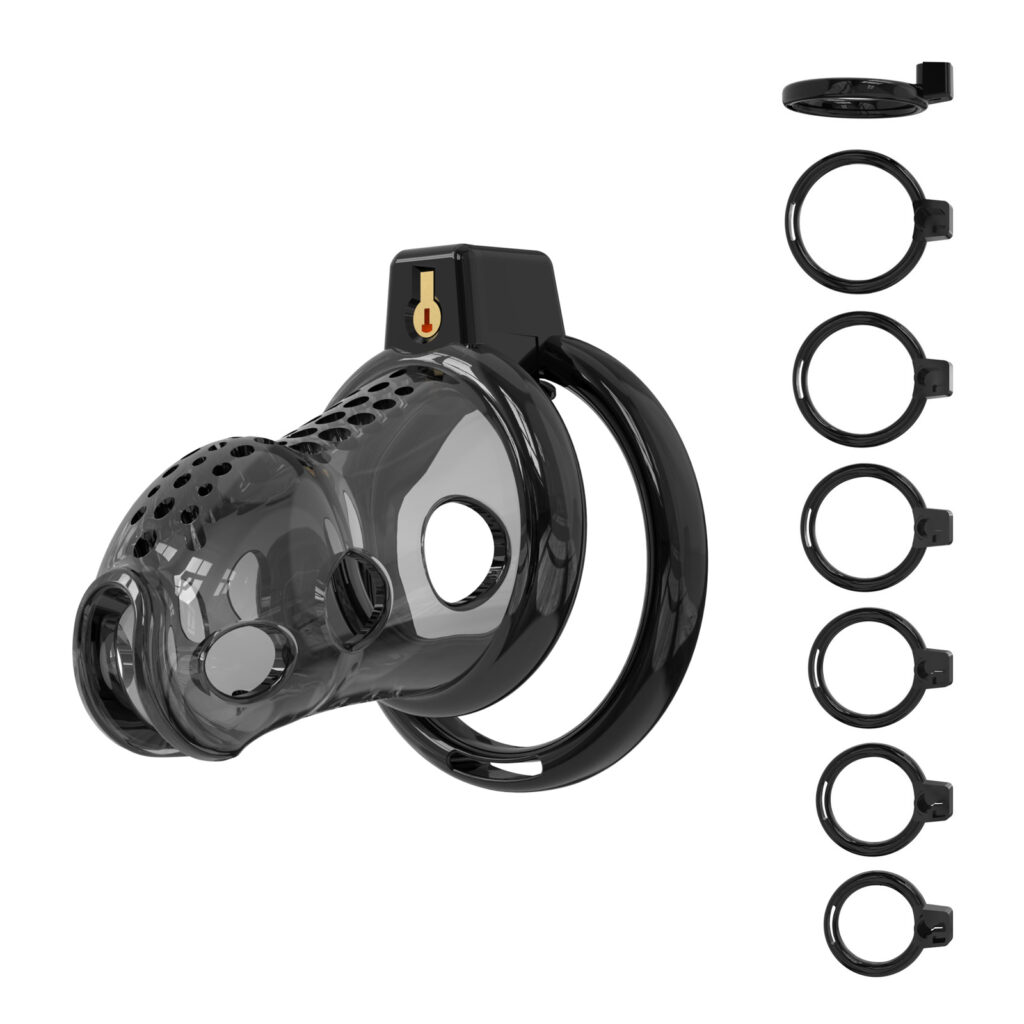
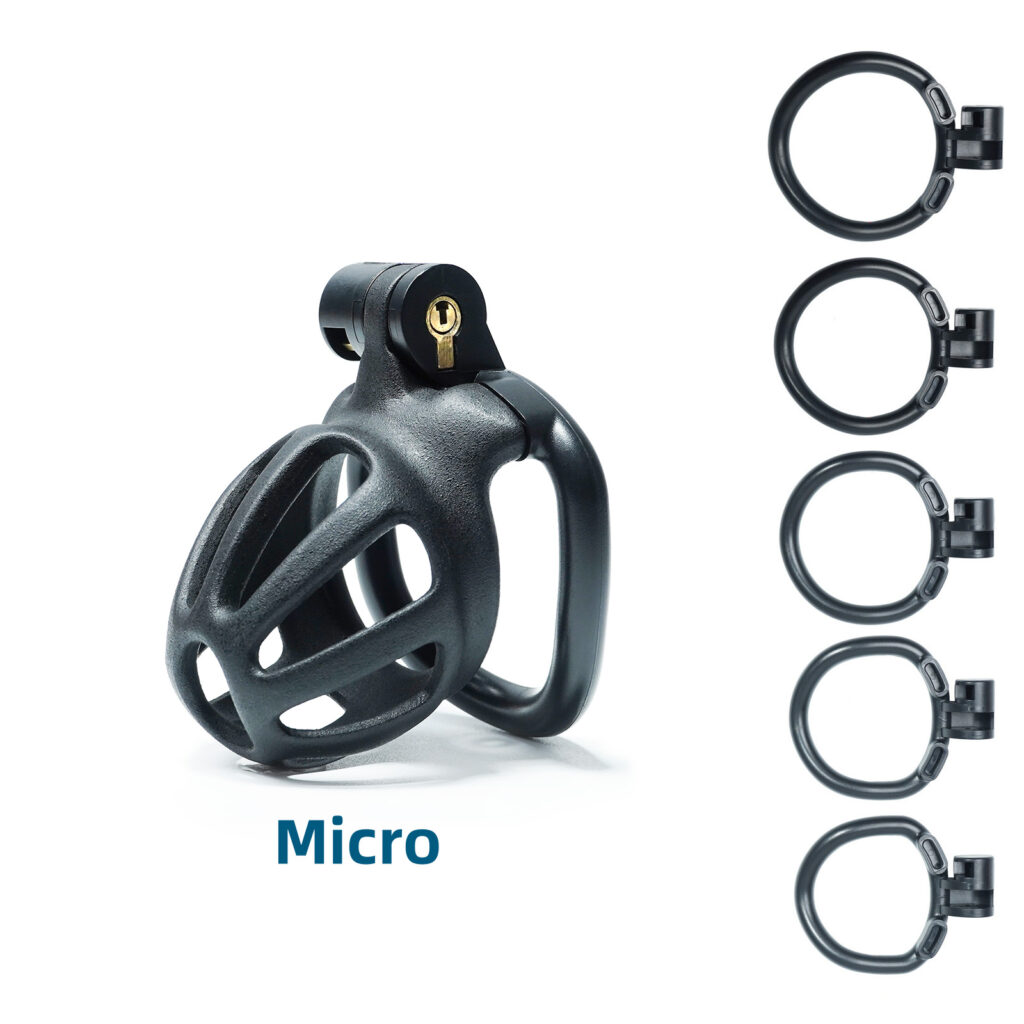
Plastic cages, particularly those designed with a hollow-out structure, tend to be more breathable than metal ones. These designs facilitate optimal airflow, keeping the skin cool and dry, which is particularly important for extended wear. Many plastic chastity devices, such as those offered by RupipiChastity, are designed with a breathable structure that minimizes the risk of discomfort or irritation.
Additionally, plastic is often gentler on the skin than metal. It’s less likely to cause abrasions, making it a better option for users with sensitive skin. Plastic’s flexible nature allows for a more comfortable, customized fit, especially for users who may have difficulty with metal cages due to skin sensitivity.
The Ultimate Comfort: Advanced Designs in Metal vs. Plastic Chastity Cages
Metal Cages with Modern Innovations
While traditional metal cages may not be as comfortable for long-term wear, modern innovations have developed highly ergonomic designs that prioritize comfort and user convenience. For example, some metal cages come with adjustable cuff rings, ensuring a snug yet non-restrictive fit. This flexibility reduces discomfort, making them more suitable for extended use. The smooth finish of many high-quality metal chastity cages also reduces the risk of chafing, providing a more comfortable experience for users.
Plastic Cages with 3D-Printed Lightweight Structures
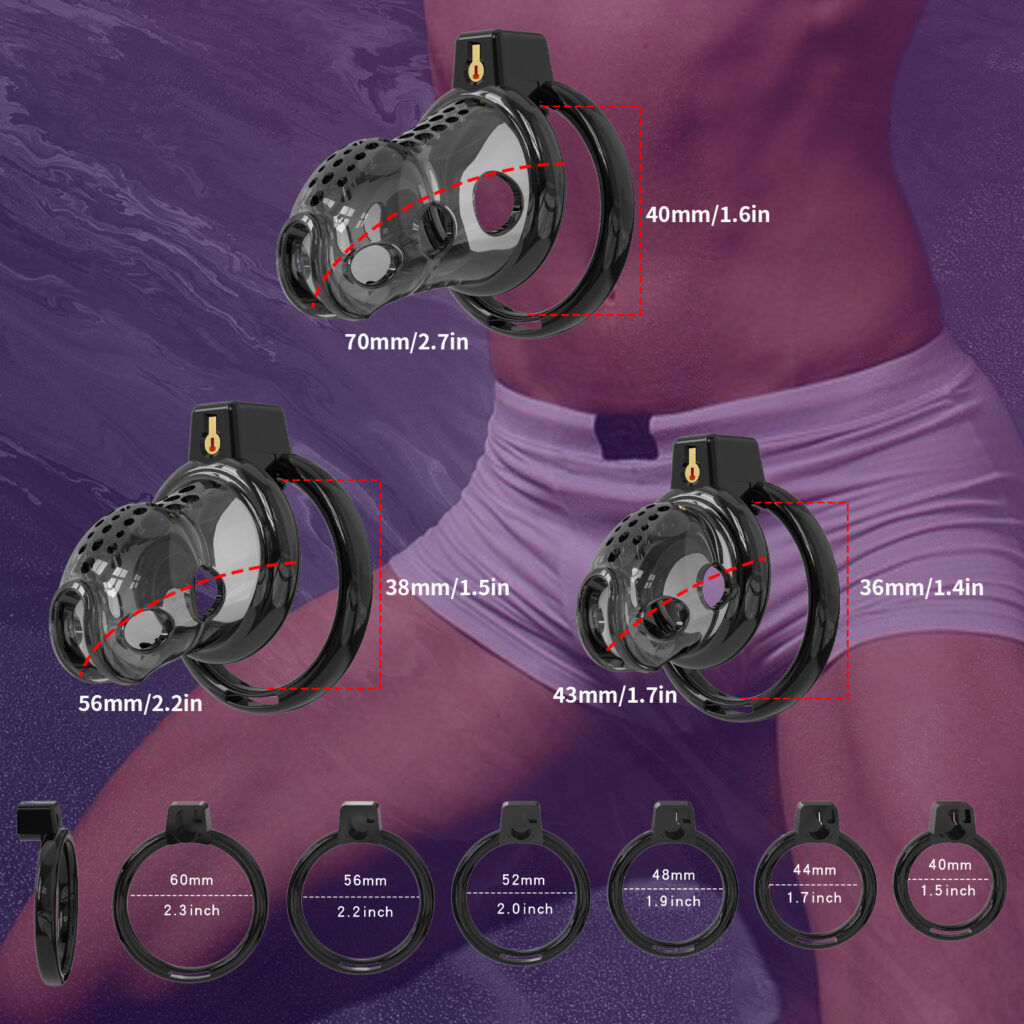
On the other side, plastic chastity cages are becoming increasingly advanced with the incorporation of 3D printing technologies. These cages are lighter and more ergonomic, providing a superior fit that conforms to the body’s natural shape. The use of 3D printing enables the creation of cages with intricate, hollow-out patterns that improve breathability and prevent irritation during prolonged wear.
The innovative designs of modern plastic chastity cages, like those seen in products from RupipiChastity, offer an optimal balance of security, comfort, and practicality. These cages often feature breathable patterns, convenient urination holes, and smooth, non-irritating surfaces, making them an excellent choice for long-term wear.
Security: Metal Cages Reign Supreme
Tamper-Proof and Secure: Metal Chastity Cages
Regarding security, metal chastity cages are often considered the gold standard. The robust and durable metal construction ensures that the device remains firmly in place once locked. Steel cages typically feature tamper-resistant secure locking mechanisms, offering peace of mind for individuals seeking absolute control. Metal chastity cages are the top choice for those who prioritize security and discipline.
Plastic Cages: Secure but Less Resistant
Although plastic chastity cages are also designed to be secure, they are generally less resistant to tampering than metal cages. Some plastic cages feature hidden locks and advanced locking systems to provide a high level of security, but they may not be as foolproof as their metal counterparts. Nonetheless, many people find plastic cages an excellent option for those who prioritize comfort without compromising too much on security.
Which is More Comfortable for Long-Term Wear: Metal vs. Plastic Chastity Cages?
Ultimately, choosing between a metal or plastic chastity cage depends on personal preferences and priorities. A metal chastity cage may be the best option if you want a secure, heavy-duty, and durable choice. Steel’s smooth finish and lower friction coefficient offer better hygiene and comfort for those seeking a more intense, restrictive experience.
However, if comfort and breathability are your top priorities, especially for long-term wear, a plastic chastity cage may be the better option. Plastic’s lightweight nature, modern ergonomic designs, and breathable features make it an ideal choice for individuals with sensitive skin or those seeking a more subtle and comfortable experience.
No matter which material you choose, plastic chastity cages have come with advanced functionality, ensuring that there’s a perfect option for everyone seeking the ultimate chastity experience.
1. Which is lighter and better for all-day / long-term wear?
Plastic (40–90 g) is much lighter than metal (180–300 g). Less weight = less fatigue, pulling, and pressure → plastic is generally more comfortable for extended or 24/7 wear.
2. Which material is more breathable?
Plastic usually wins—especially hollowed / open / 3D-printed designs allow better airflow, keeping skin cooler and drier. Metal can feel warmer; ventilation holes help but don’t match good plastic designs.
3. Which is kinder to sensitive skin?
Plastic is typically gentler: more flexible, less abrasive, lower chance of chafing or edge irritation. High-quality metal with smooth polish and good fit can be comfortable, but poor fit causes more issues.
4. Which offers better security / tamper resistance?
Metal (stainless steel) is clearly superior—much harder to break, cut, or escape. Plastic is secure with hidden locks but easier to tamper with or damage over time.
5. Which feels more “intense“ or restrictive?
Metal—due to weight, rigidity, and cold/heavy sensation—gives a stronger psychological sense of confinement. Plastic feels subtler and more discreet.
7. Can either be worn 24/7 long-term?
Yes, with proper fit, hygiene, and design. Breathable plastic is usually easier and more practical for continuous wear. Well-ventilated metal works too but weight/heat limits it for many users.