







Choosing the right chastity cage isn’t just about kink—it’s about comfort, safety, and finding what truly fits your body and lifestyle. Whether you’re trying it out for the first time or looking to upgrade to a more secure, long-term option, the right cage can make all the difference.
This guide breaks everything down—no fluff, no filler—just what you need to know before locking up.

1. What Really Matters When Choosing a right Chastity Cage
Size & Fit: Get This Wrong and Nothing Works
A cage that’s too tight can cause harm or even restrict circulation. Too loose? It slips, chafes, or doesn’t really keep anything in check. Here’s how to get the right size:
- Length: Measure when completely flaccid—right after a cold shower works well.
- Base Ring: Use a string or soft tape around the base (behind your testicles).
- Gap: You want a little space between the ring and the cage—enough for comfort, not enough to pinch.
Tip: Many quality brands offer sizing kits. Use one if you’re unsure. Guessing usually leads to buying twice.
Material: More Than Looks
Each material feels different. Here’s the real deal:
| Material | Pros | Cons | Best For |
|---|---|---|---|
| Steel | Strong, hygienic, lasts forever | Heavier, may show under clothes | Long-term wear, full control |
| Silicone | Soft, comfy, flexible | Less secure, can stretch | Beginners, sports, daily use |
| Plastic/Resin | Cheap, lightweight | Can crack, holds heat/sweat | Budget wear, short-term use |
| Titanium | Light, hypoallergenic | Pricey | Sensitive skin, pro users |
Ventilation & Hygiene: Don’t Skip This
A sweaty cage is a breeding ground for bacteria. Ensure your cage has proper airflow, especially if you plan to wear it for more than a few hours at a time.
- Best airflow: Open metal designs.
- More cleaning needed: Solid plastic or silicone cages.
Additionally, pee holes are not just convenient—they also help keep things clean when you’re locked in for more extended periods.

Locking Mechanism: Don’t Just Focus on Security
- Padlocks: Classic and secure, but they can bulge through pants.
- Integrated locks: Sleek, discreet, but not always unpickable.
- Magnetic/3D Locks: Cool tech, but still a gamble in terms of strength.
Choose what works for your routine and who’s holding the key.
2. Keep It Comfortable—and Safe
Stop Chafing Before It Starts
- Apply a small amount of lubricant to the ring and cage edges.
- Silicone lube = best for steel.
- Water-based = best for plastic or silicone.
- If your skin becomes numb or cold, remove the cage. That’s not normal.
- Start slowly: begin with a couple of hours at first, then gradually increase the time as needed.
Cleaning Routine That Works
- Daily: Warm water and gentle soap while showering.
- Weekly: Deep clean with an antibacterial soak.
- No harsh chemicals—especially if your cage is plastic or silicone.
Long-Term Wear Tips
- Overnight? Go one size up on the ring to avoid painful night wood.
- Spare key: Either hide one for yourself or trust your keyholder.
- Check skin: Redness, swelling, or pain? Take it off. No exceptions.
3. Match Your Cage to Your Life
Daily Wear vs. Weekend Play
- Short-Term: Lightweight silicone or plastic. Easy on, easy off.
- Long-Term: Steel or titanium. Better for hygiene and secure wear.
Active Life? Gym Rat? Choose Wisely
- Open metal or soft silicone works best if you sweat a lot.
- Padlocks can jab or bounce—better to go with an integrated lock if you’re moving around a lot.
Want It Discreet?
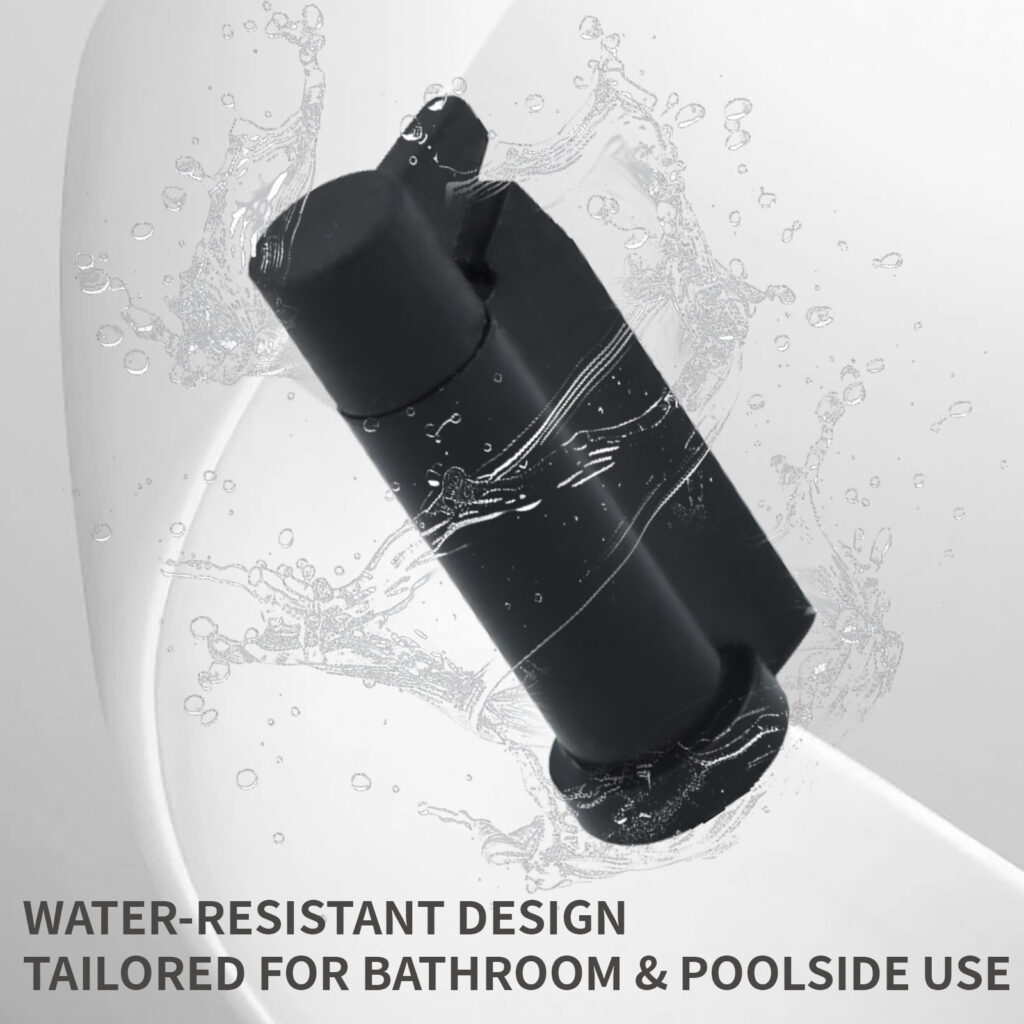
- Go for compact, matte-finish designs.
- Brands like Holy Trainer specialize in low-profile options.
- Skip shiny metal if you wear skinny jeans.
4. Avoid These Rookie Mistakes
Sizing Mistakes
- Too tight: Cuts off blood flow.
- Too loose: Falls off or rubs.
- Double-check your numbers and refer to the brand’s size chart for accurate measurements.
Buying Cheap Junk
- Harmful materials can cause irritation or worse.
Ignoring Your Body
- Pain, numbness, cold skin = not okay.
- Comfort should be your priority, not just control or kink.
Final Pre-Buy Checklist
- Measured everything properly (length, girth, base ring)
- Picked a material that suits your routine
- Checked for enough airflow and a locking style you like
- Read honest reviews, not just ads
- Started with comfort, not control
Final Thoughts
No cage is perfect for everyone. What works for one guy might not work for you—and that’s totally fine. Start small, stay safe, and give yourself time to adjust.
Want help choosing? Check out our Top 10 Cage Reviews or grab the free Chastity Sizing Guide. Still stuck? Drop a comment or reach out—we’re here for you.
❓FAQ
1. How do I know if a chastity cage fits correctly?
A proper fit should feel secure but never painful. You should have normal circulation, no numbness, and no sharp pressure. If the skin turns cold, purple, or numb, the cage is too tight and should be removed immediately.
2. Is metal or plastic better for long-term chastity wear?
Metal cages are more durable, hygienic, and breathable, making them better for long-term wear. Plastic or silicone cages are lighter and more comfortable but usually better suited for short-term or beginner use.
3. Can I sleep overnight in a chastity cage?
Yes, but sizing matters. Many users choose a slightly larger base ring for overnight wear to reduce pressure during nocturnal erections. Comfort and circulation should always come before security.
4. How often should a chastity cage be cleaned?
Light cleaning should be done daily with warm water and mild soap. A deeper antibacterial cleaning is recommended weekly, especially for long-term wear. Proper hygiene helps prevent irritation and infection.
5. What are common beginner mistakes with chastity cages?
The most common mistakes are choosing the wrong size, buying low-quality materials, and ignoring discomfort signals. Pain, numbness, or swelling should never be considered normal.