







Flat vs inverted chastity cage is one of the most common comparisons buyers make when they want a cage that feels comfortable under clothing and looks discreet in daily wear. Both designs reduce outward projection, but they do it in different ways.
A flat chastity cage usually keeps the body in a low-profile, forward-facing shape. An inverted chastity cage is more recessed and aims to hide the shape even more. The better choice depends on body shape, wearing time, clothing style, hygiene needs, and experience level.
This guide compares both designs clearly so buyers can choose a safer, more comfortable, and more discreet option.
1. What Is a Flat Chastity Cage?
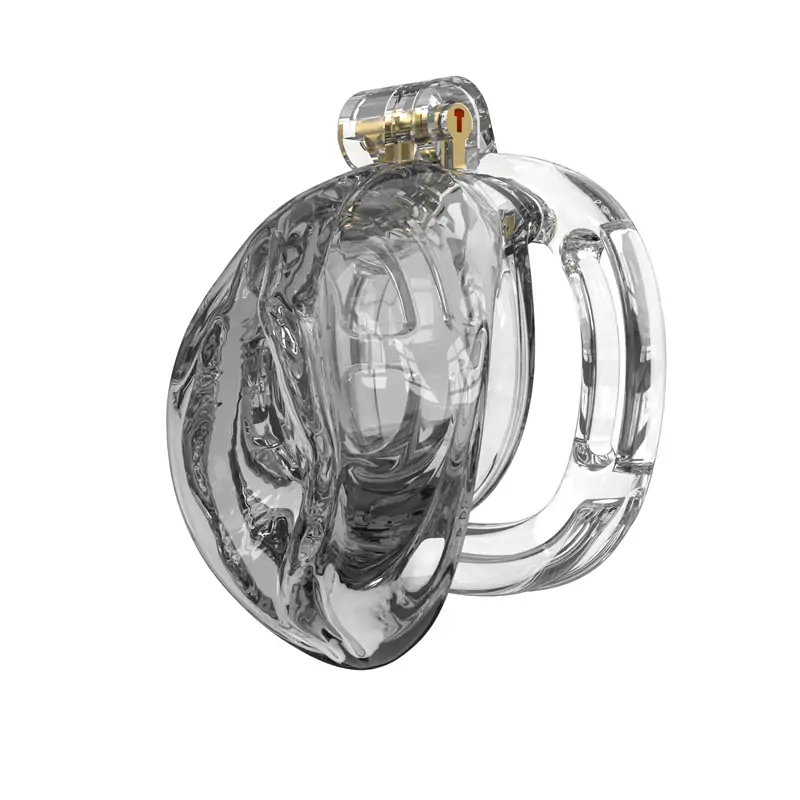
A flat chastity cage is designed with a short, low-profile front. It does not extend outward like a standard long cage. Instead, it keeps the front area flatter and closer to the body.
Main features of a flat chastity cage
A flat design usually has:
- A short cage body
- A lower outward bulge
- A rounded or compressed front shape
- More room than an inverted design
- Easier daily wear under pants or underwear
For many buyers, the flat style feels like a balanced middle option. It is more discreet than a traditional cage but usually less extreme than an inverted cage.
2. What Is an Inverted Chastity Cage?
An inverted chastity cage is designed to reduce visible projection as much as possible. Instead of creating a small forward cage shape, it often recesses the body inward or holds it in a more hidden position.
Main features of an inverted chastity cage
An inverted design usually has:
- Very little front projection
- A more concealed appearance
- A deeper or recessed structure
- Less internal space
- A tighter and more advanced fit
This type is usually chosen by buyers who place the highest priority on concealment. It may be less suitable for beginners because the fit is more demanding.
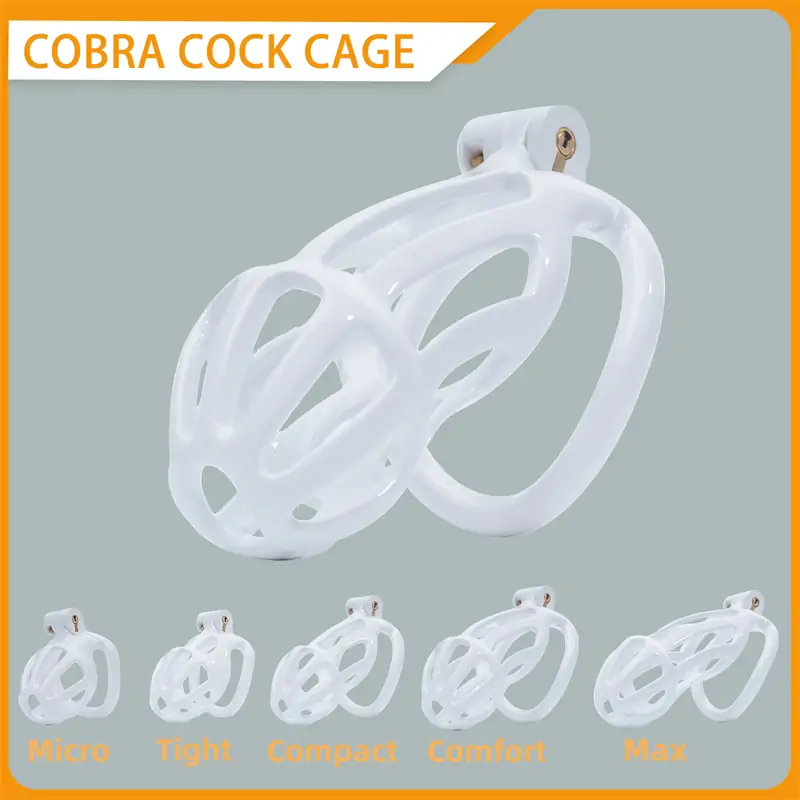
3. Flat vs Inverted Chastity Cage: Quick Comparison
| Feature | Flat Chastity Cage | Inverted Chastity Cage |
|---|---|---|
| Comfort | Usually better for daily wear | Depends heavily on fit |
| Discreet look | Very discreet | Most discreet |
| Beginner-friendly | More suitable | Less suitable |
| Cleaning | Easier | More difficult |
| Urination control | Usually easier | Can be harder |
| Long wear | More practical | Needs more caution |
| Clothing visibility | Low | Very low |
| Fit tolerance | More forgiving | Less forgiving |
4. Which Design Is More Comfortable?
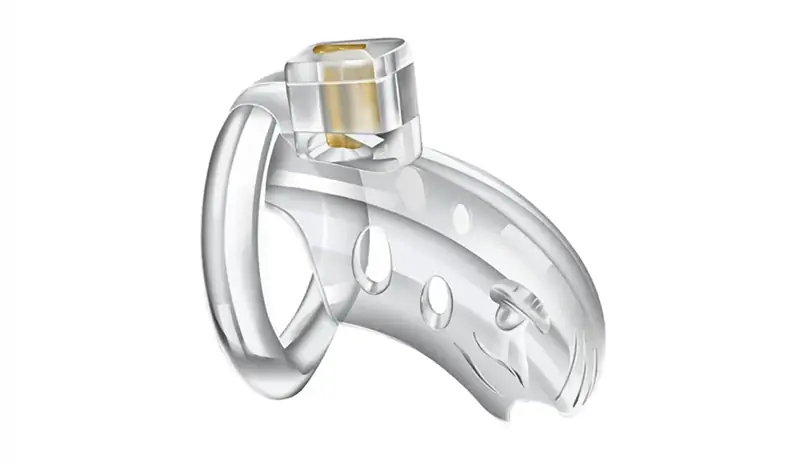
For most buyers, a flat chastity cage is usually more comfortable than an inverted design. The reason is simple: it offers a lower profile while still leaving more usable space.
Why flat cages often feel more comfortable
A flat cage can reduce pressure because it does not force the body into an extreme recessed position. It usually allows better positioning when sitting, walking, sleeping, or wearing fitted underwear.
Flat cages are also easier to adjust. If the ring size, cage length, or front shape is slightly imperfect, the user may still tolerate it better than an inverted design.
Why inverted cages may feel more intense
An inverted cage can feel more restrictive because it reduces space and changes the resting position more aggressively. This can create pressure points if the design does not match the wearer’s anatomy.
Comfort problems may include:
- Pinching near the base ring
- Pressure at the front
- Skin rubbing
- Difficulty aligning the opening
- More discomfort when sitting
Any genital device that creates pain, numbness, bruising, discoloration, or reduced sensation should be removed and treated seriously. MedlinePlus gives similar warning signs for constriction-style penile devices, including pain, bruising, blood blisters, and decreased sensation.
5. Which Design Is More Discreet?
An inverted chastity cage is usually more discreet because it creates the smallest visible outline. If the main goal is maximum concealment under slim pants, sportswear, or fitted underwear, inverted designs often perform better.
Why inverted cages are more hidden
The inverted structure reduces outward shape. This helps avoid a visible bulge under clothing. For buyers who want the flattest possible look, this is the biggest advantage.
Why flat cages are still discreet enough for most users
A flat cage may not be as hidden as an inverted cage, but it is often discreet enough for normal daily clothing. With the right underwear and pants, many flat designs are barely noticeable.
The key difference is practical:
- Flat cage: discreet and easier to live with.
- Inverted cage: most discreet but less forgiving.
For many buyers, the flat design offers the better balance.
6. Daily Wear: Which One Works Better?
Daily wear is where the difference becomes more obvious.
Flat chastity cage for daily use
A flat chastity cage is usually better for longer wear because it is easier to clean, easier to position, and less extreme. It can work better for buyers who need something practical for normal routines.
It may suit:
- Office wear
- Travel
- Walking
- Sleeping
- Longer daily use
- First-time low-profile cage users
Inverted chastity cage for daily use
An inverted chastity cage can work for daily use, but only when the fit is excellent. Small sizing mistakes can create pressure quickly.
It may suit:
- Experienced users
- Buyers who already understand sizing
- Shorter wear sessions first
- People who prioritize concealment over flexibility
For health and hygiene, daily cleaning matters. NHS guidance for penile irritation and balanitis recommends washing with water, drying gently, and avoiding irritating products like soaps or shower gels when inflammation is present.
7. Hygiene and Cleaning: Flat Is Usually Easier
Hygiene is one of the most important factors in choosing between flat and inverted designs.
Flat cage cleaning
A flat cage usually has more open space. This makes it easier to rinse, dry, and check the skin. Open or ventilated designs may also reduce trapped moisture.
Inverted cage cleaning
An inverted cage can be harder to clean because the recessed shape may trap sweat, urine drops, or moisture. This does not mean it is unsafe by default, but it requires more attention.
Poor hygiene can contribute to inflammation, irritation, and infection. Cleveland Clinic notes that balanitis and balanoposthitis can involve pain, swelling, and discoloration, and causes may include poor hygiene, infections, allergies, or irritants.
Practical cleaning tips
For either design:
- Clean the area daily.
- Dry the skin carefully.
- Avoid harsh soaps.
- Check for redness or rubbing.
- Remove the device if irritation appears.
- Do not ignore numbness or color changes.
8. Sizing: The Biggest Comfort Factor
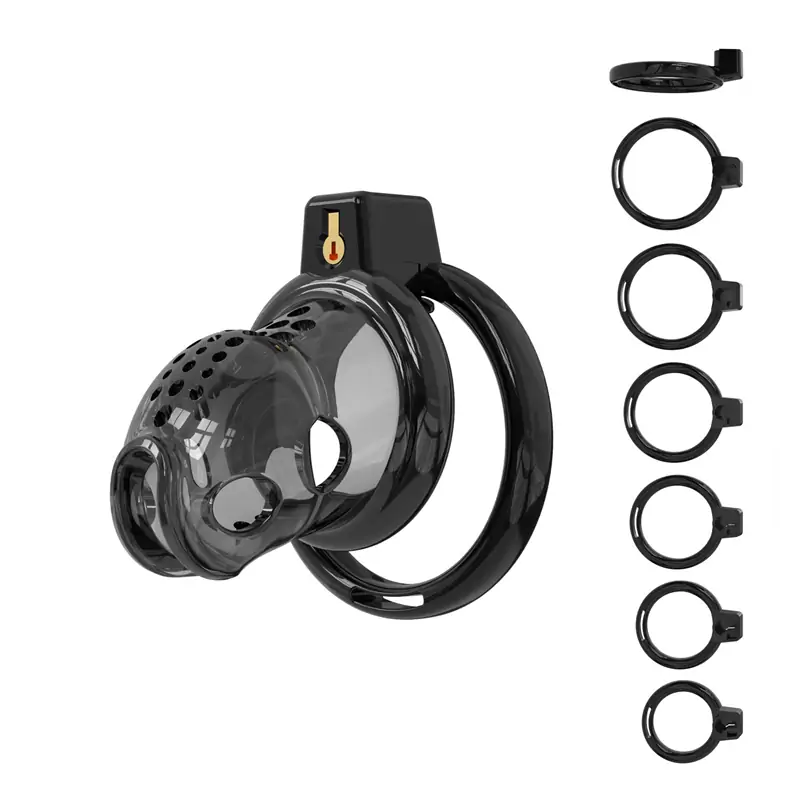
The most comfortable design is not always the most expensive or most compact one. The most comfortable design is usually the one that fits correctly.
Important sizing points
Buyers should pay attention to:
- Base ring diameter
- Cage length
- Cage width
- Front opening position
- Material weight
- Skin contact points
- Gap between ring and cage
A cage that is too tight may cause pressure, numbness, or skin damage. A cage that is too loose may move too much and cause rubbing.
Flat cage sizing
Flat cages are more forgiving because they still allow a little more natural positioning. This makes them a better starting point for many buyers.
Inverted cage sizing
Inverted cages require more accurate sizing. Since the design is more compact, small mistakes matter more. A poor fit can make the cage feel uncomfortable very quickly.
9. Material Choice: Metal, Plastic, Silicone, or Resin?
Material also affects comfort and discretion.
Metal
Metal is strong and durable. It can feel secure, but it is heavier. The extra weight may be uncomfortable for long wear, especially in compact inverted designs.
Plastic or resin
Plastic and resin cages are usually lighter. They may be easier for beginners and better for daily movement. Quality matters because rough edges can irritate skin.
Silicone
Silicone can feel softer and more flexible. It may be comfortable for short wear, but some users may find it less secure or less discreet depending on shape.
For any material, smooth edges and skin-safe finishing are essential. Devices that stay in contact with genital skin should not have rough seams, sharp corners, or poor surface quality.
10. Clothing Discretion: What Works Best?
Discretion depends on both cage design and clothing choices.
Best clothing choices for flat cages
Flat cages work well with:
- Supportive underwear
- Dark pants
- Straight-leg jeans
- Relaxed trousers
- Thicker fabric shorts
Best clothing choices for inverted cages
Inverted cages are better for:
- Slim pants
- Fitted underwear
- Athletic clothing
- Situations where very low visibility matters
Still, even an inverted cage can show if underwear is too thin or the fit causes shifting.
11. Who Should Choose a Flat Chastity Cage?
A flat chastity cage is usually better for buyers who want comfort, safety, and discretion in one design.
Best for:
- Beginners
- Daily wear users
- Buyers who need easier cleaning
- People who sit for long periods
- Users who want low visibility without extreme compression
- Anyone unsure about sizing
A flat cage is the safer starting point for most people because it gives a discreet look without making the fit too aggressive.
12. Who Should Choose an Inverted Chastity Cage?
An inverted chastity cage is better for buyers who already understand their sizing and want the most hidden design possible.
Best for:
- Experienced users
- Maximum discretion
- Shorter controlled wear
- Buyers comfortable with compact designs
- People who have already tested low-profile cages
An inverted cage can be very discreet, but it should not be chosen only because it looks smaller. Comfort and circulation must come first.
13. Safety Checklist Before Choosing Either Design
Before choosing a flat or inverted chastity cage, buyers should check the following points:
- Can you remove it quickly if needed?
Emergency access matters. - Does it allow normal urination?
Poor alignment can create hygiene problems. - Does it cause numbness or color change?
If yes, stop using it. - Can you clean and dry the area properly?
Moisture and trapped debris can increase irritation risk. - Is the material smooth?
Rough edges can cause friction. - Is the ring size correct?
The base ring should feel secure, not painful. - Have you tested it for short periods first?
Do not start with long wear.
Medical sources consistently treat pain, swelling, discoloration, bruising, and reduced sensation as warning signs that should not be ignored.
14. Final Verdict: Flat vs Inverted Chastity Cage
In the flat vs inverted chastity cage comparison, the best choice depends on the buyer’s main goal.
A flat chastity cage is usually the better choice for comfort, hygiene, beginner use, and practical daily wear. It still offers a discreet profile, but it gives more room and is easier to manage.
An inverted chastity cage is usually the better choice for maximum discretion. It creates the least visible outline under clothing, but it requires more accurate sizing, better hygiene habits, and more experience.
For most buyers, the smart choice is to start with a flat design first. After understanding fit, pressure points, and daily comfort, an inverted design can be considered later if maximum concealment is still the priority.
The simplest rule is this:
Choose flat for comfort and daily practicality. Choose inverted for maximum concealment only if the fit is correct and you already know what your body can tolerate.
Read More:
Soft vs Hard Chastity Cage: Which One Is Better for First-Time Users?
Best Chastity Cage for Beginners: How to Choose the Right Fit, Material, and Style
Chastity Cage vs Chastity Belt: Which Provides Better Security for Long-Term Wear?
Sissy Chastity Cage Guide for Beginners 2026: Best Brands, Prices & Psychology [Complete Guide]