







Choosing the best sissy chastity cage for beginners is not about buying the smallest, tightest, or most extreme-looking design. For a first-time buyer, the real priorities are comfort, fit, safety, hygiene, and ease of use. A well-chosen chastity cage should feel secure without causing pain, pressure marks, numbness, or difficulty with normal daily movement.
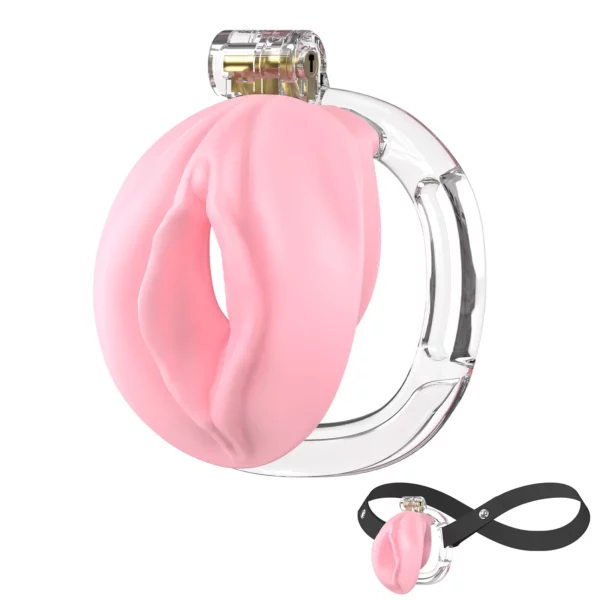
For beginners, the term “sissy chastity cage” usually refers to a chastity device designed with a more feminine, playful, or submissive visual style. Some products may feature softer colors, curved shapes, decorative details, or a compact appearance. However, the design style should never be more important than correct sizing and body-safe construction.
This guide explains what beginners should look for, how to understand fit, which materials are commonly used, and what buying mistakes to avoid before choosing a first chastity cage.

What Is a Sissy Chastity Cage?
A sissy chastity cage is a type of male chastity device often used in adult roleplay, kink, or personal lifestyle exploration. It typically includes a base ring, a cage or tube section, and a locking system. The cage limits access while allowing the wearer to go about normal daily activities when properly fitted.
The word “sissy” is used differently by different people. For some adults, it refers to a feminine roleplay aesthetic. For others, it describes a specific submissive style or identity within consensual adult communities. Because of that, product descriptions often focus on colors, shape, decorative design, or a more delicate appearance.
Still, beginners should focus first on practical details:
- Is the cage comfortable enough for short-term wear?
- Is the material safe and easy to clean?
- Does the base ring fit without cutting into the skin?
- Can the device be removed quickly if needed?
- Is the design suitable for daily movement?
A good beginner chastity cage is not the most extreme option. It is the one that helps the user learn sizing, comfort, and safe wear habits.
Why Beginners Should Start with Comfort First
Comfort is the most important factor when choosing a first chastity cage. New buyers often focus on appearance or fantasy, but real use depends on whether the device can be worn safely.
A beginner-friendly cage should feel snug but not painful. It should not pinch the skin, restrict circulation, or create sharp pressure points. If a cage causes numbness, strong pain, swelling, discoloration, or difficulty urinating, it is not a good fit and should be removed.
Comfort also depends on the wearer’s lifestyle. Someone who sits for long hours, walks frequently, works physically, or sleeps in different positions may need a different cage shape from someone who only wears it briefly at home.
For first-time use, short test sessions are better than long wear. This allows the wearer to understand how the device feels during sitting, walking, showering, and normal movement.
How to Choose the Right Size
Sizing is where many beginners make mistakes. A chastity cage is not supposed to be painfully tight. The goal is secure containment, not compression.

Cage Length
Cage length refers to the internal length of the tube or cage section. Beginners often assume that a shorter cage is always better, but that is not true. A cage that is too short can cause pressure and discomfort, while a cage that is too long may feel loose or unstable.
A beginner should usually choose a moderate length based on relaxed measurements. The device should hold the wearer comfortably without forcing the body into an unnatural position.
Cage Diameter
Diameter affects how much space there is inside the cage. If the diameter is too narrow, it can cause pinching or pressure. If it is too wide, the cage may shift too much.
A good beginner fit should feel controlled but not squeezed. There should be no sharp pain, coldness, or numbness.
Base Ring Size
The base ring is one of the most important parts of the device. It sits around the base area and helps hold the cage in place. If the ring is too tight, it can create serious discomfort. If it is too loose, the cage may not stay secure.
Many beginner kits include multiple ring sizes. This is useful because new users usually do not know their ideal size yet. Adjustable or multi-ring sets are often better for first-time buyers than single-size designs.
Gap Between Ring and Cage
The gap between the base ring and the cage also matters. If the gap is too small, it can pinch the skin. If it is too large, the device may feel unstable.
For beginners, a smooth, moderate gap is usually easier to tolerate. Avoid designs with rough edges or tight connection points.
Best Materials for Beginner Chastity Cages
Material affects comfort, hygiene, weight, durability, and price. There is no single best material for everyone, but beginners should understand the main options.
Medical-Grade Silicone
Silicone is often beginner-friendly because it is softer and more flexible than metal. It can be comfortable for short test sessions and may feel less intimidating for new users.
However, silicone cages can sometimes feel less secure than hard materials. They may also attract lint or dust depending on the finish. Buyers should look for body-safe, nonporous silicone and avoid products with unclear material descriptions.
Plastic or Resin
Plastic and resin cages are common in beginner products because they are lightweight and affordable. They can be easier to wear for daily movement compared with heavy metal cages.
The downside is that low-quality plastic may have rough seams, weak locks, or poor ventilation. Beginners should choose smooth, well-finished designs with clear sizing information.
Stainless Steel
Stainless steel cages are durable, firm, and easy to clean when properly made. They often feel more secure and premium. However, they are heavier and less forgiving than silicone or plastic.
For a beginner, stainless steel may be suitable if the wearer already understands sizing. For a first-ever device, a lighter adjustable kit may be easier.
Avoid Unclear or Poor-Quality Materials
Avoid any cage where the seller does not clearly state the material. Poor-quality coatings, unknown plastics, rough edges, or porous materials can create hygiene problems and skin irritation.
A beginner should always prioritize smooth finishing, clear product details, and easy cleaning over a low price.
Open Cage vs Closed Cage Design
Chastity cages come in open and closed styles. Each has advantages.
Open Cage Design
An open cage has bars, slots, or open areas. This design usually offers better airflow and easier cleaning. For beginners, open cages are often more practical because they reduce heat and moisture buildup.
They may also make it easier to check skin condition during wear.
Closed Cage Design
A closed cage has more coverage and may create a stronger visual style. Some sissy chastity cages use closed designs for a smoother or more feminine appearance.
However, closed cages can be harder to clean and may trap moisture. Beginners should be careful with long wear and should clean the device regularly.
For a first cage, an open or semi-open design is often the safer and more practical choice.
Locking System: Key Lock, Padlock, or Integrated Lock?
The locking system affects comfort and convenience.
Traditional Padlock
A small padlock is common and easy to understand. It is simple, affordable, and replaceable. However, it may hang down, create noise, or rub against clothing.
Integrated Lock
An integrated lock sits inside the device design, creating a cleaner look. It is often more discreet under clothing and may feel more comfortable.
For beginners, integrated locks are often easier for daily wear, but quality matters. A cheap integrated lock may jam or feel loose.
Emergency Access
No matter which lock type is used, emergency access is important. A beginner should always know how to remove the device quickly. If the product uses keys, keep a spare key in a safe and accessible place.
Buying Tips for Beginners
Choosing the best sissy chastity cage for beginners becomes easier when you focus on practical buying criteria instead of fantasy alone.
1. Choose an Adjustable Starter Kit
A kit with multiple ring sizes is usually better for beginners. It allows testing and adjustment without buying several separate devices.
2. Start with Lightweight Materials
Plastic, resin, or silicone can be easier for short first-time wear. Once sizing is confirmed, the wearer can consider stainless steel or more advanced designs.
3. Check the Edges and Finish
The cage should be smooth. Avoid sharp seams, rough surfaces, or poorly finished connection points. Comfort problems often come from small design flaws.
4. Look for Good Ventilation
Ventilation helps with hygiene and comfort. Open or semi-open cages are often better for beginners than fully enclosed designs.
5. Avoid Extreme Sizes
Do not start with an ultra-small cage. Extreme sizing may look appealing in product photos, but it can create discomfort and safety risks for beginners.
6. Read Sizing Information Carefully
A trustworthy product page should include measurements for cage length, internal diameter, ring sizes, and material. If the listing only shows photos without real sizing data, it is risky for a beginner.
Hygiene and Cleaning Tips
Cleanliness is essential when using any adult device. A chastity cage is worn close to the body, so sweat, skin oils, and moisture can build up.
Before first use, clean the device according to the material instructions. After use, wash it with mild soap and warm water unless the manufacturer recommends a different method. Let it dry fully before storage.
Avoid harsh chemicals, strong fragrances, or abrasive cleaners. These may damage the material or irritate the skin.
For longer wear, regular removal and cleaning are important. Beginners should not attempt extended wear before understanding how their skin reacts.
Safety Signs Beginners Should Never Ignore
A chastity cage should never cause serious pain or medical symptoms. Remove the device immediately if you notice:
- Numbness
- Strong pain
- Skin turning blue, purple, or unusually pale
- Swelling
- Burning sensation
- Broken skin
- Difficulty urinating
- A device that cannot be removed normally
If symptoms do not improve after removal, or if the device is stuck, seek medical help. Do not wait and hope the issue will solve itself.
Safety is not separate from enjoyment. A comfortable, well-fitted device creates a better experience than a painful or risky one.
Common Beginner Mistakes
Choosing Based Only on Appearance
A sissy chastity cage may look stylish, cute, feminine, or visually exciting. But appearance should come after fit and safety.
Buying the Smallest Cage First
Smaller is not automatically better. A cage that is too small can create pressure, pinching, and circulation problems.
Ignoring Ring Size
Many beginners focus on cage length but forget the base ring. In reality, the ring often determines whether the device is comfortable.
Wearing Too Long Too Soon
First-time users should begin with short wear periods. The body needs time to adjust, and the wearer needs time to learn what normal comfort feels like.
Not Cleaning Properly
Poor hygiene can lead to odor, irritation, or infection risk. Regular cleaning is part of responsible use.
What Type of Sissy Chastity Cage Is Best for Beginners?
For most beginners, the best choice is a lightweight, open or semi-open cage with multiple ring sizes, smooth edges, and a simple locking system.
A good beginner cage usually has these features:
- Lightweight plastic, resin, silicone, or well-finished stainless steel
- Multiple base ring sizes
- Smooth edges
- Moderate cage length
- Good airflow
- Easy cleaning
- Reliable emergency access
- Clear product measurements
The best beginner product is not necessarily the most expensive one. It is the one that helps the wearer learn proper fit safely and comfortably.
FAQ: Sissy Chastity Cage for Beginners
Is a sissy chastity cage safe for beginners?
It can be safe for consenting adults when the device fits properly, is cleaned regularly, and is worn responsibly. Beginners should start with short sessions and remove the device if there is pain, numbness, swelling, or skin irritation.
How tight should a chastity cage be?
It should feel secure but not painful. A proper fit should not cut into the skin, block circulation, or cause numbness.
What material is best for a first cage?
Many beginners start with lightweight plastic, resin, or silicone because these materials are easier to test. Stainless steel can be a good option later once sizing is understood.
Can beginners wear a chastity cage all day?
Beginners should not start with all-day wear. Short test sessions are safer. Longer wear should only be considered after confirming comfort, hygiene, and correct sizing.
How do I know if the cage is too small?
The cage may be too small if it causes sharp pressure, skin pinching, numbness, swelling, discoloration, or difficulty urinating.
Should I choose an open or closed cage?
An open or semi-open cage is usually better for beginners because it allows better airflow and easier cleaning.
Final Buying Advice
The best sissy chastity cage for beginners should balance comfort, fit, hygiene, and visual style. Start with a practical design, not an extreme one. Look for multiple ring sizes, smooth materials, reliable locking, and clear measurements.
A beginner-friendly cage should help the wearer feel secure and confident without pain or risk. Once the correct size and preferred material are understood, it becomes easier to explore more decorative, compact, or advanced designs.
For first-time buyers, the smartest choice is simple: choose comfort first, style second, and safety always.
Continue reading: More Chastity Belt Guides
Sissy Chastity Cage Buyer’s Guide: How to Choose the Right Style, Size, and Material
How to Clean and Maintain a Male Chastity Belt: Simple Hygiene Tips
Discreet Male Chastity Belt Guide: How to Choose a Low-Profile Design
Is a Male Chastity Belt Safe to Wear? Key Comfort and Hygiene Tips