







Introduction
The Victorian era, from 1837 to 1901, was notorious for its rigid moral codes and sexual repression. Misunderstandings about human sexuality, especially masturbation, led to the invention of chastity belts. In this blog, we will explore Victorian-era misconceptions, medical myths, and how these devices evolved into modern, consensual chastity devices used in BDSM.

Victorian Chastity Belt: A Symbol of Repression
During the Victorian era, sexuality was considered taboo, and strict moral codes permeated all aspects of society. The idea of chastity was emphasized, particularly for women, and any deviation from these sexual norms was met with severe disapproval. Myths surrounding masturbation were particularly prevalent and led to the development of chastity belts as a form of sexual repression.
Societal Attitudes Towards Sexuality
- Modesty and Virtue: Emphasis was placed on modesty, chastity, and virtuous behavior, particularly among women.
- Gender Roles: Men were expected to exhibit self-control, while women were often viewed as devoid of sexual desire.
- Public Discourse: Open discussions about sex were rare, leading to misinformation and fear surrounding natural sexual behaviors.
Medical Myths Surrounding Masturbation
Masturbation during the 19th century was wrongly associated with several health issues. Medical professionals and literature of the time perpetuated these baseless beliefs, sparking widespread fear and the search for preventive measures.
Perceived Physical Consequences
- Blindness: Masturbation was believed to cause visual impairments.
- Impotence: There was a fear that it would lead to sexual dysfunction.
- Death: Extreme beliefs suggested it could be fatal.
Perceived Mental Consequences
- Insanity: Masturbation was thought to result in mental instability.
- Depression: It was associated with mood disorders.
- Cognitive Decline: Concerns arose about diminished intellectual abilities.

Perceived Moral Consequences
- Weak Character: Masturbation was seen as a sign of moral failing.
- Immorality: It was associated with sinful behavior.
- Social Deviance: Masturbation was seen as a precursor to other deviant acts.
The Chastity Belt: Misguided Prevention
In response to the fears surrounding masturbation, chastity belts were created as a physical barrier to prevent individuals, particularly young men, from engaging in self-stimulation. These devices were often made from metal and designed to be locked in place, making self-pleasure impossible.

Design and Implementation
- Materials: Constructed from iron or other rigid metals.
- Mechanism: Equipped with locks to ensure they couldn’t be removed without a key.
- Usage: Prescribed by some physicians and sometimes enforced by concerned parents.
Physical and Psychological Impact
- Discomfort: The belts caused significant physical pain and potential injury.
- Psychological Distress: This often led to feelings of shame and anxiety.
- Ineffectiveness: Despite their use, chastity belts failed to prevent masturbation and could lead to other harmful behaviors.
Evolution of Chastity Devices: From Oppression to Consensual Play
While the Victorian chastity belt represents an oppressive period in sexual history, modern chastity devices have been reimagined within consensual adult practices, particularly in BDSM and fetish communities.
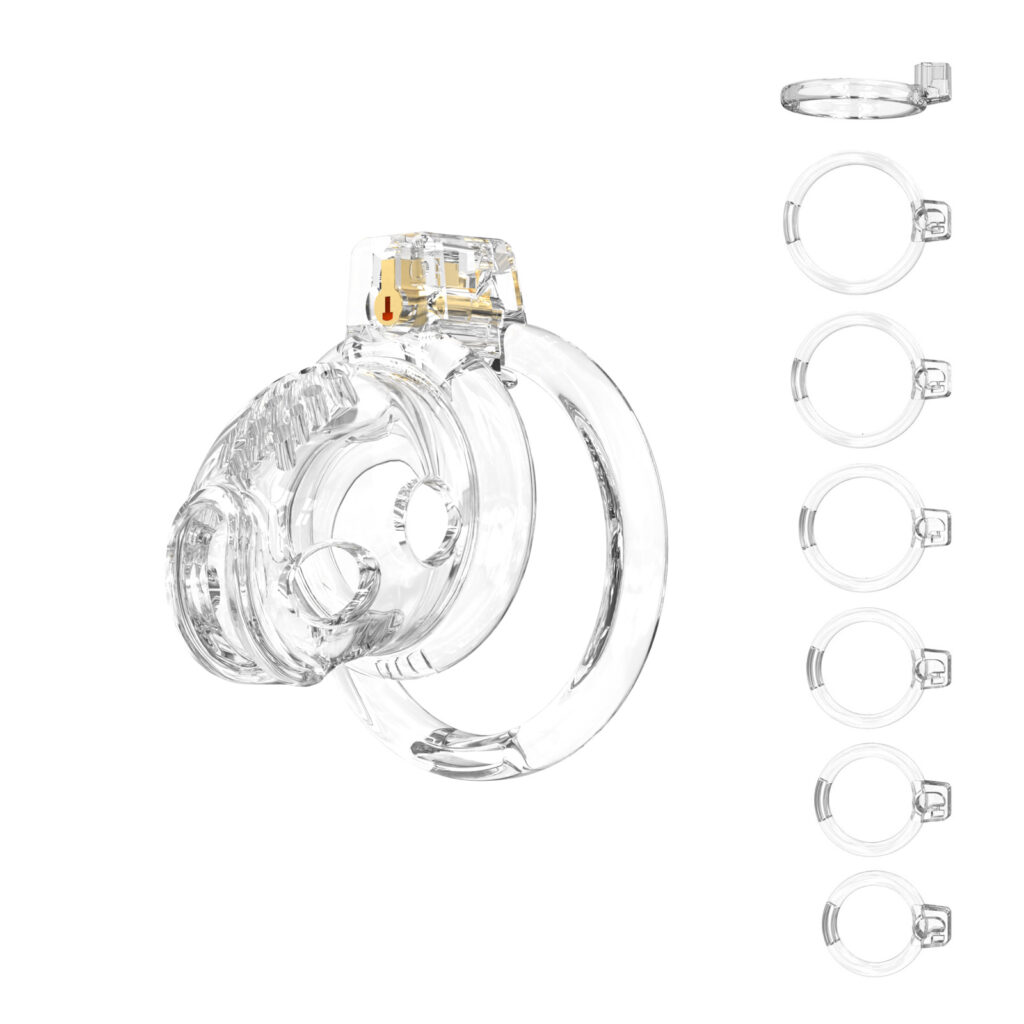
Contemporary Chastity Devices
Modern chastity devices are crafted from body-safe materials, including silicone, stainless steel, and plastic, ensuring comfort, hygiene, and safety. Unlike their Victorian predecessors, these devices are used in consensual contexts, enhancing sexual pleasure, erotic denial, and power exchange.
- Materials: Silicone, stainless steel, and plastic are used for comfort and hygiene.
- Designs: Available in various sizes and designs to accommodate individual preferences and anatomies.
- Purpose: Used for consensual power exchange, erotic denial, and sexual pleasure enhancement.
Example: Male Chastity Cage with Multiple Ring Sizes
One such product is the “Male Chastity Cage, Large Chastity Device with 5 Sizes Rings and Invisible Lock for Man Penis Exercise Bondage Gear & Accessories.” This product features:
- Adjustability: Five different ring sizes ensure a secure and comfortable fit.
- Discreetness: An invisible lock mechanism provides a sleek appearance that remains hidden under clothing.
- Lightweight Design: Made from lightweight materials to enhance comfort during extended wear.
It’s crucial to emphasize that, unlike their Victorian predecessors, modern chastity devices are used within consensual contexts, focusing on mutual pleasure, trust, and exploration.
Reflecting on the Past: Lessons Learned
The journey from the oppressive use of chastity belts to their consensual use today highlights significant shifts in our understanding of human sexuality.

Advancements in Sexual Education
- Debunking Myths: Comprehensive sexual education has dispelled many misconceptions about masturbation.
- Promoting Healthy Attitudes: Open discussions encourage acceptance of natural sexual behaviors.
Emphasis on Consent and Autonomy
- Personal Choice: Modern practices prioritize individual autonomy and consensual participation.
- Ethical Considerations: Respect for mutual boundaries and consensual practices is central to modern sexual exploration.
Evolution of Medical Perspectives
- Evidence-Based Approaches: The medical community now uses scientific research rather than moral judgments.
- Respect for Individual Rights: Acknowledges the importance of personal freedom in sexual matters.
Conclusion
The Victorian chastity belt serves as a reminder of the dangers inherent in misunderstanding and repressing human sexuality. By examining this history, we can appreciate the progress made in sexual health and ethics, ensuring that past mistakes are not repeated.
Modern chastity devices, when used consensually, illustrate how reinterpretation and education can transform symbols of oppression into tools for personal exploration and satisfaction.