







Choosing the Right Material for Long-Term Chastity Devices: Comfort, Durability, and Security in 2025When it comes to long-term wear, selecting the right material for a chastity device is just as important as choosing the right fit. Whether you’re new to chastity or exploring upgrades in 2025, understanding how different materials impact comfort, hygiene, and durability can help you make a more secure and satisfying choice.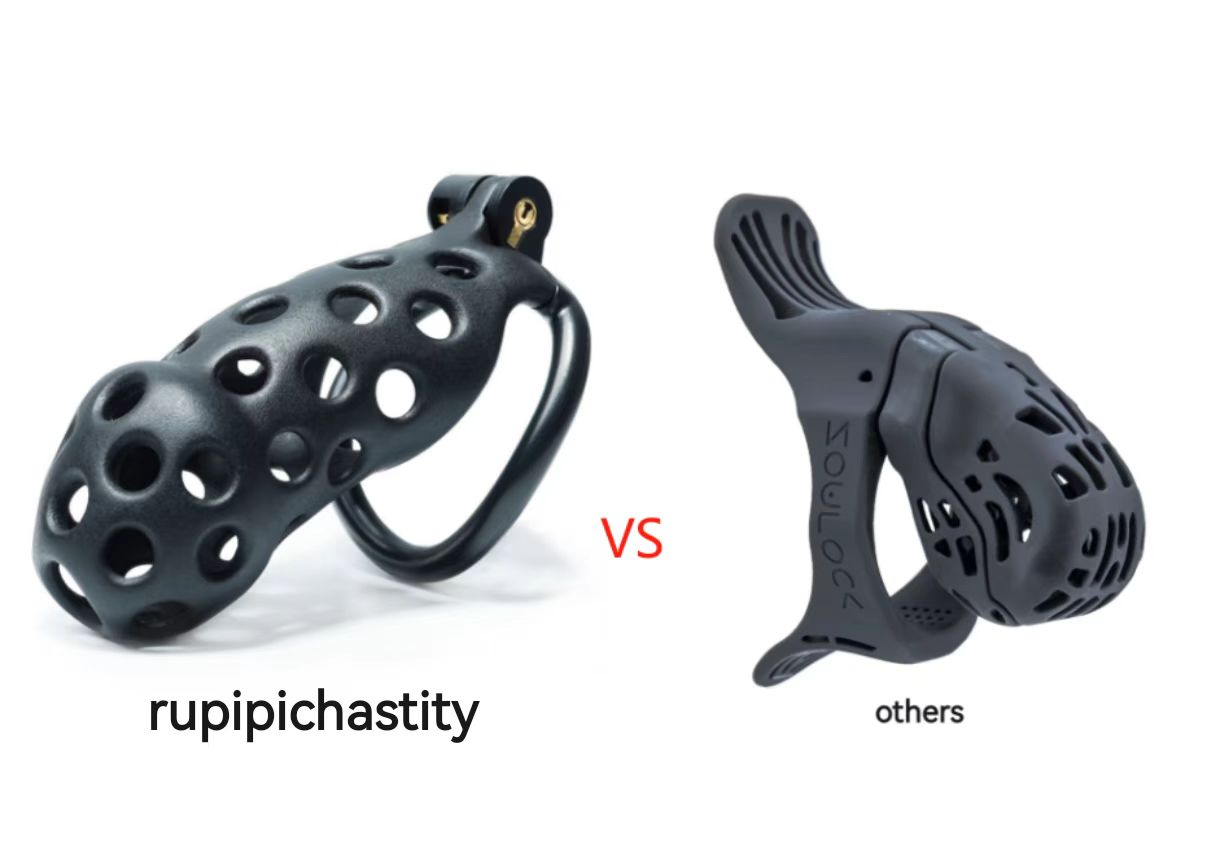
Why Material Matters for Chastity Comfort
The material of your chastity cage plays a direct role in your daily comfort. Poor-quality materials can lead to skin irritation, chafing, or even allergic reactions. For those looking to wear a device for extended periods, such issues can quickly become unmanageable. That’s why choosing a comfortable long-term chastity solution is key—not just for safety, but for maintaining physical and mental well-being.
Chafing, in particular, is one of the most common complaints from those using ill-fitting or rough-surfaced devices. Over time, even mild friction can lead to broken skin, discomfort during sleep, and difficulty maintaining discipline. Material choice isn’t just about sensation—it’s about long-term success.

Common Chastity Materials and Their Pros and Cons
1. Plastic / Polycarbonate
Plastic cages are lightweight and discreet. They are often recommended for beginners due to their affordability and ease of use. Many entry-level chastity devices use polycarbonate because it can be molded into sleek, low-profile shapes.
Pros:
- Lightweight and discreet under clothing
- Affordable and beginner-friendly
- Easy to travel with (TSA-friendly)
Cons:
- Not the most secure chastity cage
- Can become brittle or warp with heat
- Risk of chastity chafing if edges are sharp or misaligned
Ideal for short-term wear or casual experimentation, but not always reliable for full-time commitment.
2. Silicone
Silicone offers a flexible and softer experience, which can reduce chafing, especially during movement or sleep. It’s hypoallergenic and breathable, making it a solid choice for sensitive skin.

Pros:
- Soft and forgiving—perfect for long sitting or walking
- Hypoallergenic and gentle on skin
- Flexible enough to conform to movement
Cons:
- Can stretch or deform over time
- Lacks the rigidity for strict discipline
- Harder to clean due to its rubbery surface
While not the best option for high-security needs, silicone works well for comfort-oriented users focused on extended wear.
3. Stainless Steel
Steel cages are known for their strength and durability, making them a top choice for those who want the most secure chastity cage. These are often favored by experienced users who value psychological control and long-term wear.
Pros:
- Heavy-duty security and long lifespan
- Easy to sanitize completely
- Provides a strong “presence” for wearers
Cons:
- Heavier and may cause bulging under tight clothes
- Can become cold or hot with temperature changes
- Not travel-friendly (triggers metal detectors)
When properly sized, steel can be one of the most comfortable long term chastity materials despite its weight—especially in open-bar designs that reduce skin contact.

4. 3D Printed Transparent Plastic (TPE Coated)
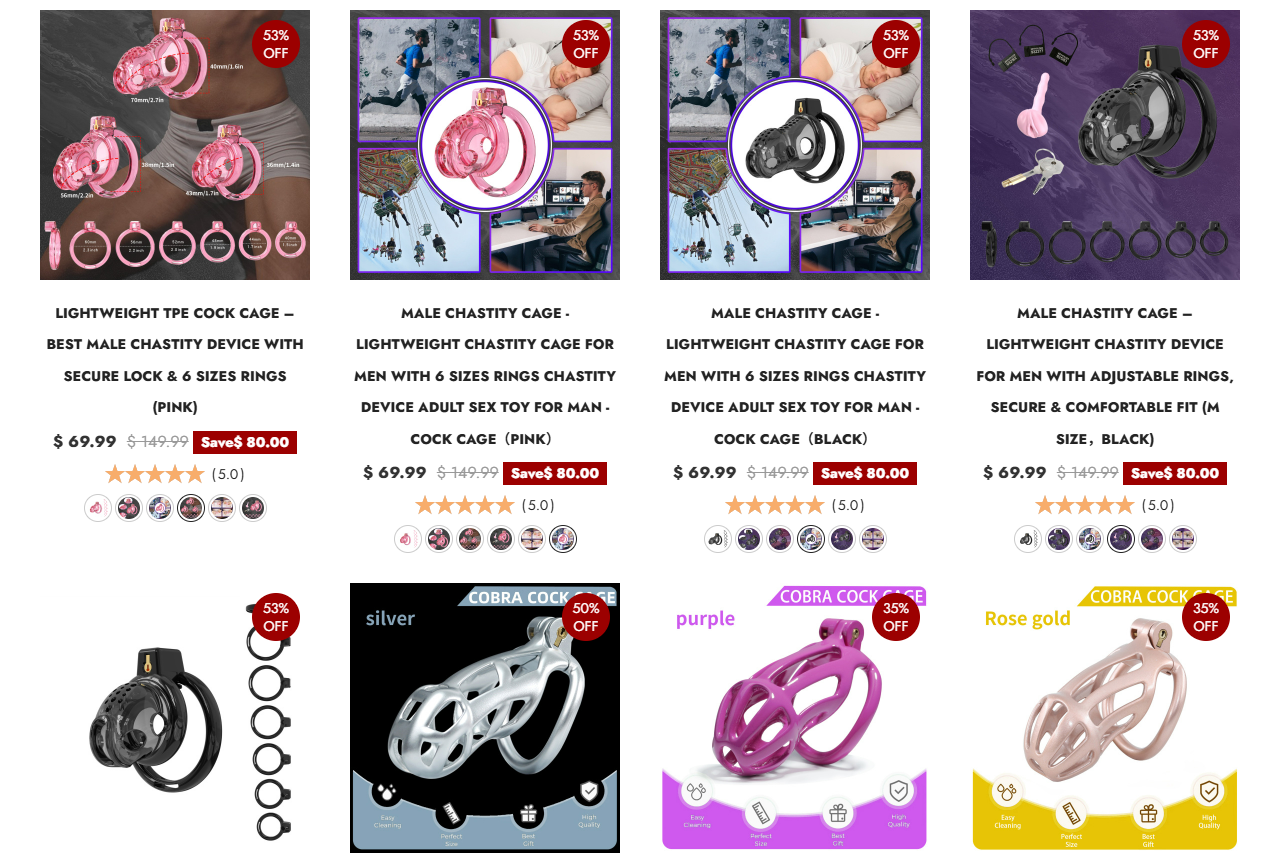
Devices like the cobra cage represent a modern evolution in chastity device materials. Many models, including those featured on RUPIPI CHASTITY, use soft TPE-coated 3D printed plastic for a perfect balance between comfort, transparency, and durability.
Pros:
- Customizable design for exact fit
- Smooth surfaces reduce chafing
- Lightweight yet more rigid than silicone
Cons:
- Some models may vary in quality
- Requires precise cleaning to avoid odor buildup
These cages are particularly well-suited for long-term chastity cage users who want daily comfort without compromising appearance or fit.
What to Consider When Choosing a Material
- Skin Sensitivity: Those with allergies or irritation should opt for hypoallergenic materials like medical-grade silicone or soft TPE.
- Security Level: If escaping the cage is a concern, stainless steel offers the best deterrent.
- Ventilation & Hygiene: Devices with air holes and open-bar construction allow for airflow, reducing moisture buildup.
- Lifestyle Compatibility: For active individuals or frequent travelers, a discreet plastic or hybrid model might be the smartest choice.
2025’s Best Choices for Long-Term Wear
As of 2025, the chastity device market is evolving toward hybrid designs that combine multiple materials for optimal performance. Devices that use a steel frame with a silicone liner or transparent TPE shells with structured interiors are redefining what it means to be both secure and wearable.
At RUPIPI CHASTITY, the most popular models now feature soft interior linings and precision-fit structures that cater to different body shapes. These designs aim to deliver the best chastity cages 2025 for users seeking personalized solutions without sacrificing durability or hygiene.
Conlusion
Your chastity journey should never feel like punishment due to poor material choice. Whether you’re aiming for the most secure chastity cage or simply looking to avoid chastity chafing, selecting the right materials will drastically improve your experience. Take the time to assess your lifestyle, goals, and sensitivities—because in the world of chastity, comfort equals commitment.
The right device doesn’t just lock—it supports, protects, and sustains your choice. Choose wisely.