






Chastity for beginners should start with one clear goal: choose a first comfortable device that is safe, easy to clean, easy to remove, and suitable for short practice sessions. A beginner should not choose the most restrictive, heavy, or complicated option first. Comfort, hygiene, sizing, and gradual use matter much more than appearance.
For first-time buyers, the best chastity device is usually simple, smooth, lightweight, and adjustable. It should allow normal circulation, comfortable movement, easy cleaning, and safe removal. If a device causes pain, numbness, coldness, swelling, or unusual skin color changes, it should be removed immediately. Medical sources that discuss constriction devices warn that pain, numbness, coldness, and swelling are signs that a device may be too tight or unsafe.
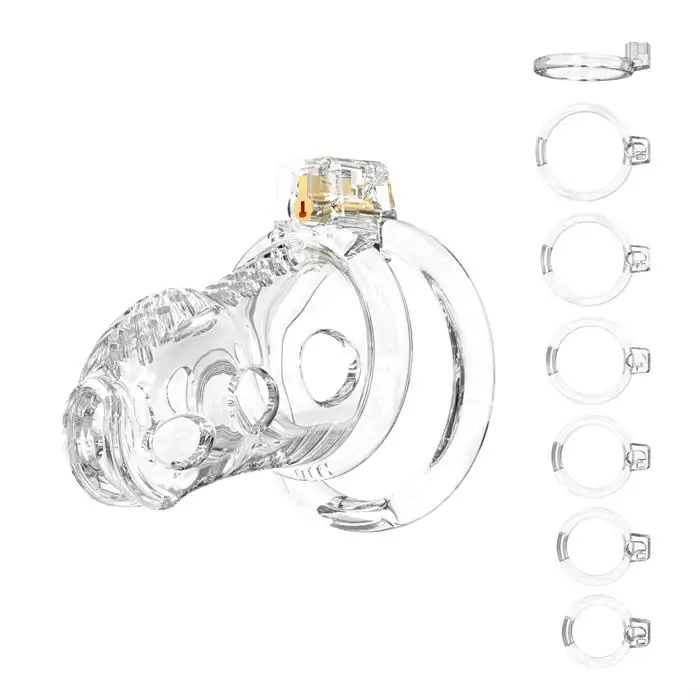
1. What Is a Chastity Device?
A chastity device is a wearable adult restraint designed to limit access to the genitals. Most beginner devices are made as cages, belts, or hybrid designs.
The main purpose is control, not pain. A properly chosen device should feel secure but not harmful. For beginners, comfort and safe daily movement should always come first.
A beginner-friendly device should allow you to:
- Walk normally
- Sit comfortably
- Urinate without major difficulty
- Clean the area properly
- Remove the device quickly if needed
- Start with short wearing sessions
If a device makes basic daily activity difficult, it is probably not the right first choice.
2. Why Comfort Matters More Than Restriction
Many beginners think a tighter device is better. That is a mistake.
A comfortable chastity device should feel secure, but it should not cut off circulation or press hard into the skin. Tightness does not equal better security. It often creates discomfort, skin irritation, or unsafe pressure.
Medical guidance around constriction rings makes one point very clear: pain, numbness, coldness, swelling, or discoloration are warning signs. The device should be removed right away if those symptoms appear.
For a first device, the better choice is usually:
- Slightly adjustable
- Smooth around the edges
- Not too heavy
- Easy to unlock
- Easy to clean
- Designed for short-term testing first
Your first device is not supposed to be your final device. It is a learning tool.
3. Choose the Right Type of Chastity Device
3.1 Chastity Cage
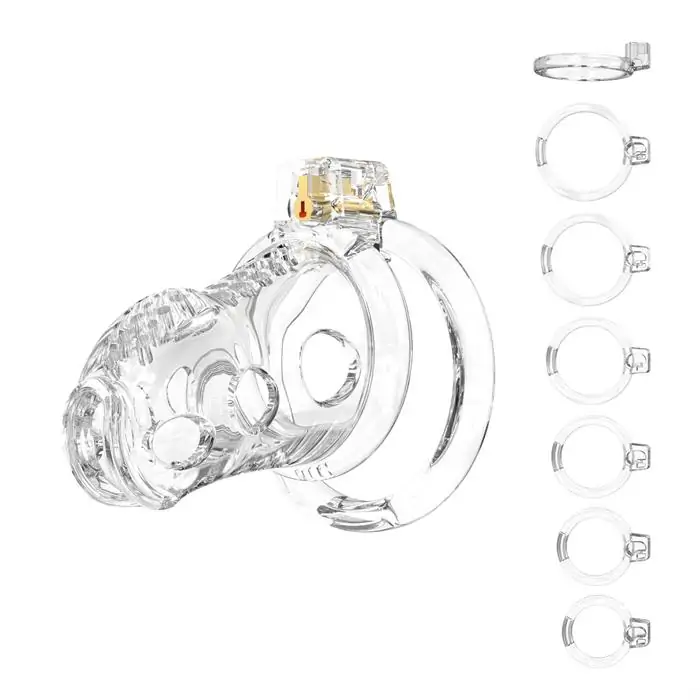
A chastity cage is the most common beginner option.
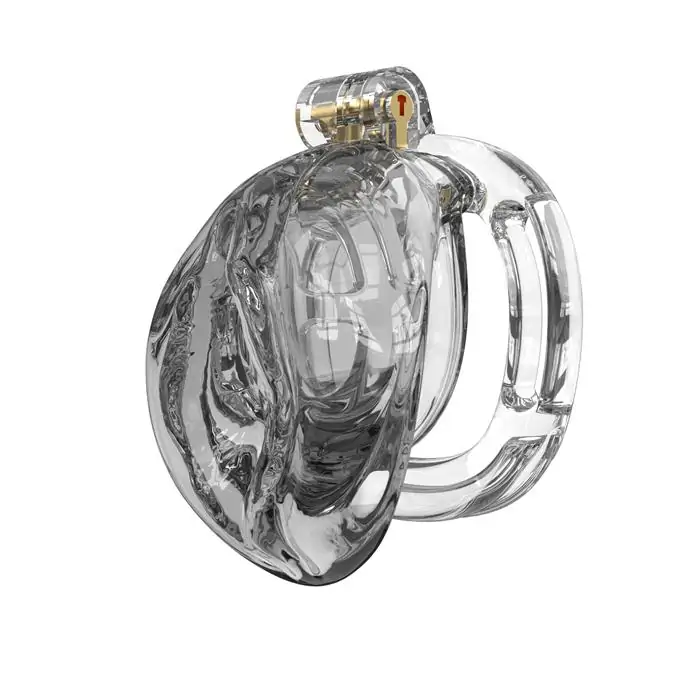
It usually includes a ring and a front cage section. Many cages are smaller, lighter, and easier to use than full belts.
Best for:
- First-time users
- Short practice sessions
- Users who want a simple design
- People comparing materials and sizes
Pros:
- Easier to put on
- More affordable
- Wide size options
- Better for learning fit
Cons:
- Sizing can take trial and error
- Some designs may pinch
- Cheap models may have rough edges
For most beginners, a simple cage is the easiest starting point.
3.2 Chastity Belt
A chastity belt is usually larger and more restrictive than a cage. It may include waist straps, pelvic coverage, or a more complete locking structure.
Best for:
- Users with more experience
- People who want stronger coverage
- Longer planned sessions after testing
Pros:
- More coverage
- Stronger visual and physical security
- Less dependent on ring sizing
Cons:
- More expensive
- Harder to fit correctly
- Less discreet under clothing
- More complex cleaning
A belt can be effective, but it is often not the best first choice.
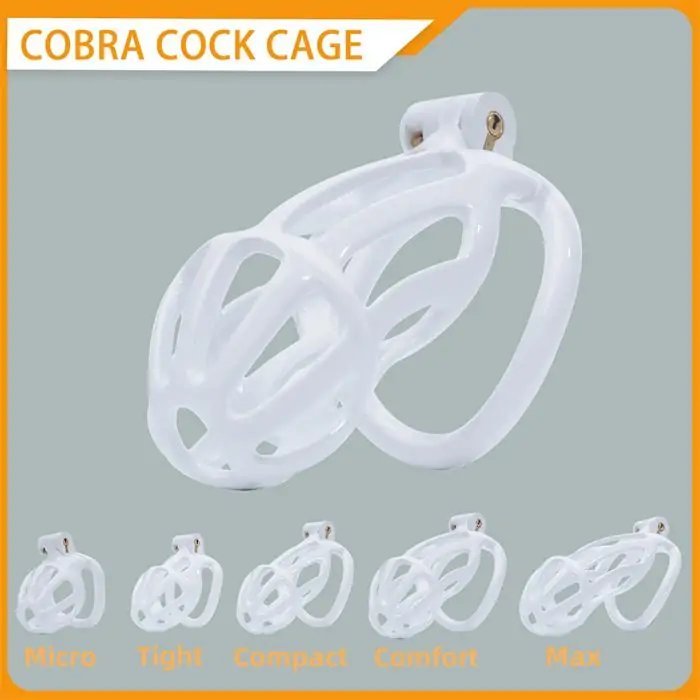
3.3 Adjustable Beginner Device
An adjustable device is often the safest beginner direction.
It may include multiple ring sizes, spacer options, or flexible fitting points. This helps beginners test what feels right before buying a more advanced model.
Best for:
- Unsure sizing
- First purchases
- Users who want lower risk
- People who plan gradual wear
If you are choosing your first comfortable device, adjustability is a major advantage.
4. Material Guide: What Should Beginners Choose?
Material affects comfort, weight, cleaning, odor control, and skin feel.
For adult toys and wearable devices, non-porous materials are usually easier to clean because they do not trap fluids and bacteria as easily as porous materials. Health and sexual wellness sources commonly identify stainless steel, silicone, glass, and hard plastic as non-porous materials that can be cleaned with soap and water when manufacturer instructions allow it.
4.1 Stainless Steel
Stainless steel is strong, smooth, and durable.
Best for:
- Users who want long-term durability
- People who prefer a firm structure
- Buyers who want easy cleaning
Advantages:
- Very durable
- Smooth surface
- Non-porous
- Strong security feel
Possible drawbacks:
- Heavier than plastic or silicone
- Can feel cold at first
- Poor sizing may create pressure
For beginners, stainless steel can work well if the sizing is correct. Avoid designs with sharp seams, rough welding, or narrow pressure points.
4.2 Silicone
Silicone is softer and more flexible.
Best for:
- Sensitive skin
- Short beginner sessions
- Users who prefer a softer feel
Advantages:
- Softer against the skin
- Flexible
- Lighter than metal
- Good for comfort testing
Possible drawbacks:
- May feel less secure
- Can pull on skin if poorly shaped
- Needs proper cleaning and drying
Silicone can be a gentle beginner option, especially for users who are nervous about pressure or weight.
4.3 ABS Plastic or Hard Plastic
Hard plastic devices are lightweight and common in beginner kits.
Best for:
- Budget buyers
- First-time sizing tests
- Short trial use
Advantages:
- Lightweight
- Usually affordable
- Easy to wear under clothing
- Often available in many sizes
Possible drawbacks:
- Quality varies
- Hinges or seams may pinch
- Cheaper models can crack or feel rough
If choosing plastic, check the finish carefully. Smooth edges are essential.
5. How to Measure for Your First Device
Sizing is the most important part of choosing a comfortable chastity device.
A device that is too large may move too much. A device that is too small may create pressure, pinching, or unsafe constriction.
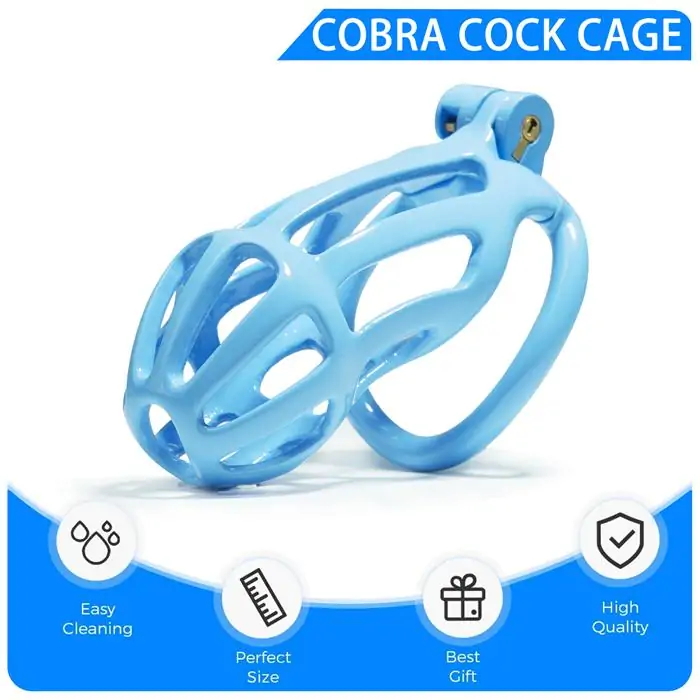
5.1 Ring Size
The ring should feel secure but not painful.
A good ring fit should:
- Stay in place during normal movement
- Not dig into the skin
- Not cause numbness
- Not make the area cold
- Not cause swelling
- Allow normal circulation
If you are between two ring sizes, beginners usually do better starting with the larger size and testing carefully.
5.2 Cage Length
Cage length should match the user’s relaxed size.
A cage that is too long may shift or rub. A cage that is too short may create constant pressure.
For beginners, the best cage length is usually one that holds the area comfortably without forcing painful compression.
5.3 Gap and Spacing
The gap between ring and cage matters.
Too small a gap can pinch skin. Too large a gap can reduce security and allow too much movement.
A beginner device with multiple spacers is helpful because it allows small adjustments.
6. Beginner Safety Rules Before First Use
A first chastity experience should be short, controlled, and easy to stop.
Do not put on a device for a full day immediately. Start slowly.
6.1 First Wearing Test
A smart beginner schedule looks like this:
- Wear for 10–20 minutes at home
- Remove and check skin condition
- Try 30–60 minutes if everything feels normal
- Test sitting, walking, and light movement
- Increase time only if there is no pain or irritation
This gradual approach helps you identify pressure points before they become serious.
6.2 Warning Signs
Remove the device immediately if you notice:
- Pain
- Numbness
- Cold feeling
- Tingling
- Blue, purple, or very pale skin
- Swelling
- Strong pinching
- Burning sensation
- Difficulty urinating
- Skin cuts or blisters
These are not “normal beginner discomfort.” They are warning signs.
6.3 Do Not Sleep in It Too Soon
Beginners should avoid sleeping in a device until they have completed several safe daytime tests.
Nighttime use is harder to monitor. You may not notice pressure, swelling, or circulation problems quickly while asleep.
7. Hygiene: How to Keep the Device Clean
Hygiene is not optional.
The NHS advises that sex toys should be kept clean, washed between use, and protected with a new condom each time if shared. SH:24, a UK sexual health service, also warns that toys should be cleaned after every use because unclean toys can increase the chance of irritation or infection.
For chastity devices, cleaning is even more important because the device may contact skin for longer periods.
7.1 Basic Cleaning Steps
Follow the manufacturer’s instructions first. As a general routine:
- Wash the device before first use
- Clean after every use
- Use mild soap and warm water when suitable
- Rinse away soap fully
- Dry completely before storage
- Store in a clean, dry bag or box
Do not use harsh chemicals unless the manufacturer says they are safe for that material.
7.2 Skin Care During Use
Clean skin matters as much as cleaning the device.
Before wearing:
- Wash and dry the area
- Check for cuts or irritation
- Avoid wearing over broken skin
- Trim hair if pulling is a problem
- Use a small amount of suitable lubricant if needed
After wearing:
- Remove the device
- Wash and dry the skin
- Check for redness or pressure marks
- Take a break if skin feels sore
A device should never trap sweat, moisture, or bacteria for long periods without cleaning.
8. Lock Type: Key Lock or Plastic Lock?
Chastity devices usually use either a small metal key lock or a plastic security lock.
8.1 Key Lock
A key lock feels more traditional and secure.
Pros:
- Strong
- Reusable
- Simple to understand
Cons:
- Can be bulky
- May rattle
- Key can be lost
- Cheap locks may rust
8.2 Plastic Security Lock
Plastic locks are lighter and quieter.
Pros:
- Lightweight
- Discreet
- Often numbered for tracking
- No metal rattling
Cons:
- Usually single-use
- Less durable
- May not fit every device
For beginners, either option can work. The most important rule is simple: you must always have an emergency removal plan.
9. Real Beginner Scenarios
9.1 The Office Worker
A beginner wants a device that can be worn discreetly for a few hours at home and later under normal clothing.
Best choice:
- Lightweight plastic or silicone cage
- Smooth edges
- Adjustable rings
- Quiet lock
- Short cage length
Avoid:
- Heavy steel belt
- Large visible profile
- Complicated locks
The goal is comfort and low visibility.
9.2 The Weekend Beginner
A user wants to test chastity at home during weekends.
Best choice:
- Adjustable beginner cage kit
- Multiple ring sizes
- Easy cleaning material
- Simple key lock
This user can test size slowly without needing a long-wear device immediately.
9.3 The Sensitive Skin User
A beginner has sensitive skin and worries about rubbing.
Best choice:
- Smooth silicone or polished stainless steel
- Larger starter ring
- Rounded edges
- Short test sessions
Avoid:
- Rough plastic seams
- Tight rings
- Long wear without skin checks
For sensitive skin, material quality and smooth finishing matter more than price.
10. Common Beginner Mistakes
10.1 Choosing by Appearance Only
A device may look strong, stylish, or exciting, but appearance does not prove comfort.
Check:
- Size
- Edge finish
- Material
- Weight
- Cleaning method
- Removal method
10.2 Buying Too Small
This is one of the most common mistakes.
A tight device can feel secure at first, but it may become unsafe during movement or body changes.
10.3 Wearing Too Long Too Soon
Beginner use should be gradual.
Start short. Remove. Check. Adjust. Repeat.
10.4 Ignoring Hygiene
A device that is not cleaned properly can cause odor, irritation, and possible infection risk. Cleaning after every use is a basic safety step recommended by sexual health guidance for sex toys and similar adult products.
10.5 Not Having a Backup Key
Always keep an emergency key accessible.
If another person holds a key, the wearer should still have a safety plan. Comfort and consent require the ability to remove the device if something goes wrong.
11. What Makes a Chastity Device Beginner-Friendly?
A beginner-friendly device should have:
- Smooth rounded edges
- Multiple size options
- Lightweight structure
- Easy cleaning design
- Safe removable lock
- Clear product instructions
- Skin-safe material
- Good airflow
- No sharp seams
- No extreme compression
A good beginner device is not the most restrictive one. It is the one you can wear safely, clean easily, and adjust properly.
12. FAQ: Chastity for Beginners
12.1 What is the best chastity device for beginners?
The best beginner chastity device is usually a lightweight cage with adjustable ring sizes. It should be easy to clean, smooth on the skin, and simple to remove.
12.2 Should my first chastity device be metal or silicone?
Both can work. Silicone is softer and more forgiving. Stainless steel is stronger and easier to clean when polished properly. Beginners who are unsure may prefer an adjustable silicone or plastic starter kit first.
12.3 How tight should a chastity device be?
It should feel secure but never painful. It should not cause numbness, coldness, swelling, or skin color changes. If any of these happen, remove it immediately.
12.4 Can I wear a chastity device all day?
Beginners should not start with all-day wear. Test short sessions first. Increase time only after confirming there is no pain, irritation, or circulation issue.
12.5 How do I clean a chastity device?
Follow the manufacturer’s instructions. Many non-electronic, non-porous devices can be cleaned with mild soap and water, then fully dried before storage. NHS and SH:24 both emphasize keeping sex toys clean to reduce infection and irritation risks.
12.6 Is discomfort normal at first?
Mild awareness of the device may be normal. Pain is not. Pinching, numbness, coldness, swelling, and strong rubbing are signs that the device may not fit correctly.
Conclusion
Chastity for beginners should focus on comfort, safety, hygiene, and correct sizing. Your first comfortable device should be simple, adjustable, easy to clean, and safe to remove. Do not rush into long wear. Do not choose the tightest option. Do not ignore warning signs.
The best first device is one that helps you learn your size, your comfort level, and your routine.
Start with short sessions. Check your skin. Clean the device carefully. Adjust the fit when needed. Choose body-safe materials and avoid rough, poorly finished products.
A comfortable chastity device should support safe, consensual use. It should never cause pain, circulation problems, or skin damage. For beginners, the right choice is not the most extreme device. It is the one you can wear with confidence, comfort, and control.
More Guides:
Chastity for Beginners: Cage or Belt, Which One Should You Start With?
Cobra Cage vs Traditional Chastity Cage: Which Style Fits Better Under Clothing?
Chastity for Beginners: How to Choose Your First Comfortable Device