






Choosing the right chastity cage for daily wear is essential for comfort, hygiene, and long-term health. Unlike occasional use, daily wear of a chastity device requires attention to materials, fit, and hygiene to avoid potential health risks, especially if exploring self-bondage or long-term chastity. Here’s a comprehensive guide on selecting the right chastity cage.
Material Matters: Balancing Comfort & Hygiene
The material of your chastity cage is key to both comfort and hygiene. Below are the most common materials used:
Surgical-Grade Stainless Steel (316L)
- Best for Hygiene: Widely regarded as the gold standard, 316L stainless steel is hypoallergenic, easy to clean, and highly durable.
- Weight Considerations: Heavier than other materials, so pairing it with a support strap might be necessary for comfort during extended wear, especially in self-bondage scenarios.
Medical Silicone
- Comfortable & Flexible: Lightweight and flexible, medical-grade silicone offers comfort but requires more frequent cleaning to avoid bacterial growth.
- Hygiene: Clean it twice a day to prevent the buildup of moisture and bacteria. Ideal for beginners due to its gentle feel on the skin.
Titanium
- Lighter Alternative: Titanium is lighter than stainless steel and highly resistant to corrosion, offering comfort for long-term wear without the weight of steel.
- Premium Option: Ideal for those seeking durability without the heft.
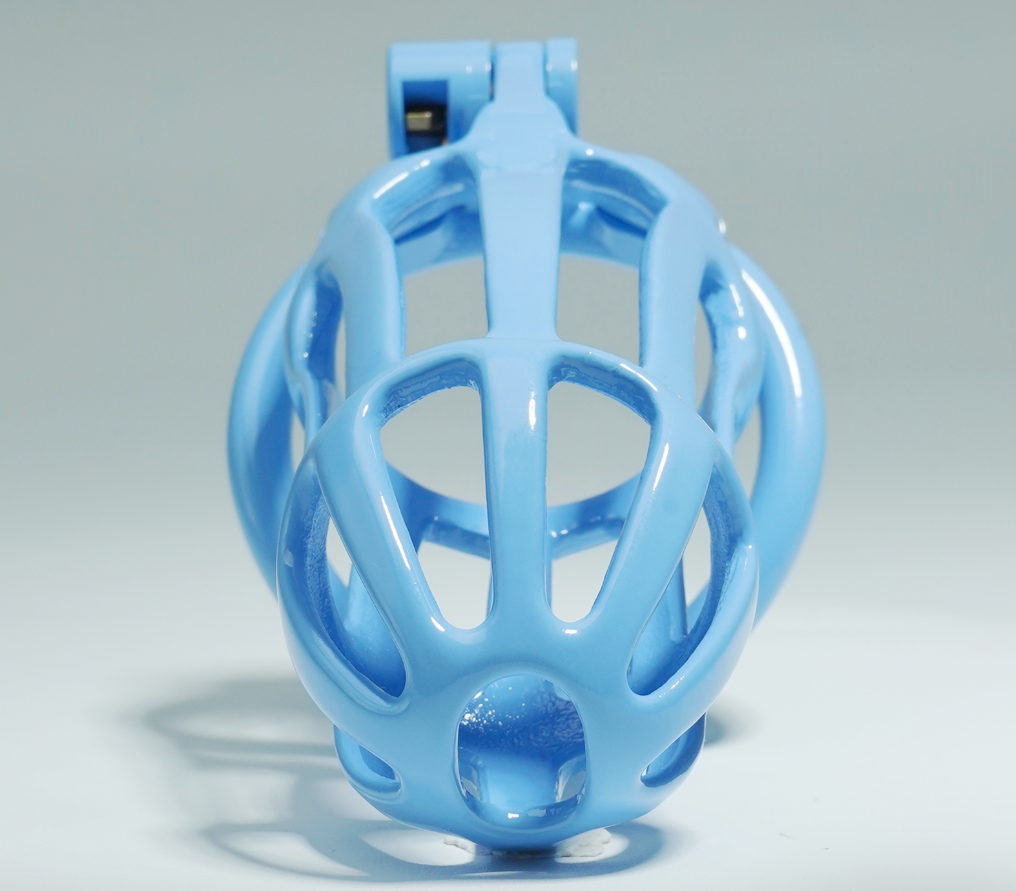
3D Printed Resin (e.g., for the Pink 3D Printed Male Chastity Cage)
- Lightweight & Ergonomic: 3D printed cages offer a lightweight option with ergonomic designs, ideal for comfort and beginners.
- Cleaning Care: Ensure regular cleaning to prevent bacterial build-up, as these products are non-toxic and gentle on the skin.
Avoid Porous Materials
Cheap plastics or low-quality 3D-printed resins may trap bacteria and develop unpleasant odors. They are harder to clean thoroughly, making them unsuitable for long-term use.
Pro Tip:
Titanium and certain steel alloys are ideal for travelers, as they won’t trigger metal detectors, offering a hassle-free experience during security checks.
The Fit That Works 24/7
A proper fit is crucial for comfort and health. An ill-fitting chastity cage can cause discomfort, circulation issues, and tissue damage. Here’s how to ensure your cage fits appropriately:
Measure Twice, Wear Once
- Flaccid Length: Measure while flaccid (take multiple readings for accuracy).
- Base Circumference: Use a tailor’s tape, not string, for a precise fit.
- Testicular Gap: A gap between the device and body helps prevent discomfort, such as “ball burn.”
Trial Periods Matter
- Start with 2-4 hour sessions, gradually increasing wear time.
- Watch for signs like numbness, discomfort, or coldness, which may indicate poor circulation.
Adjustability is Key
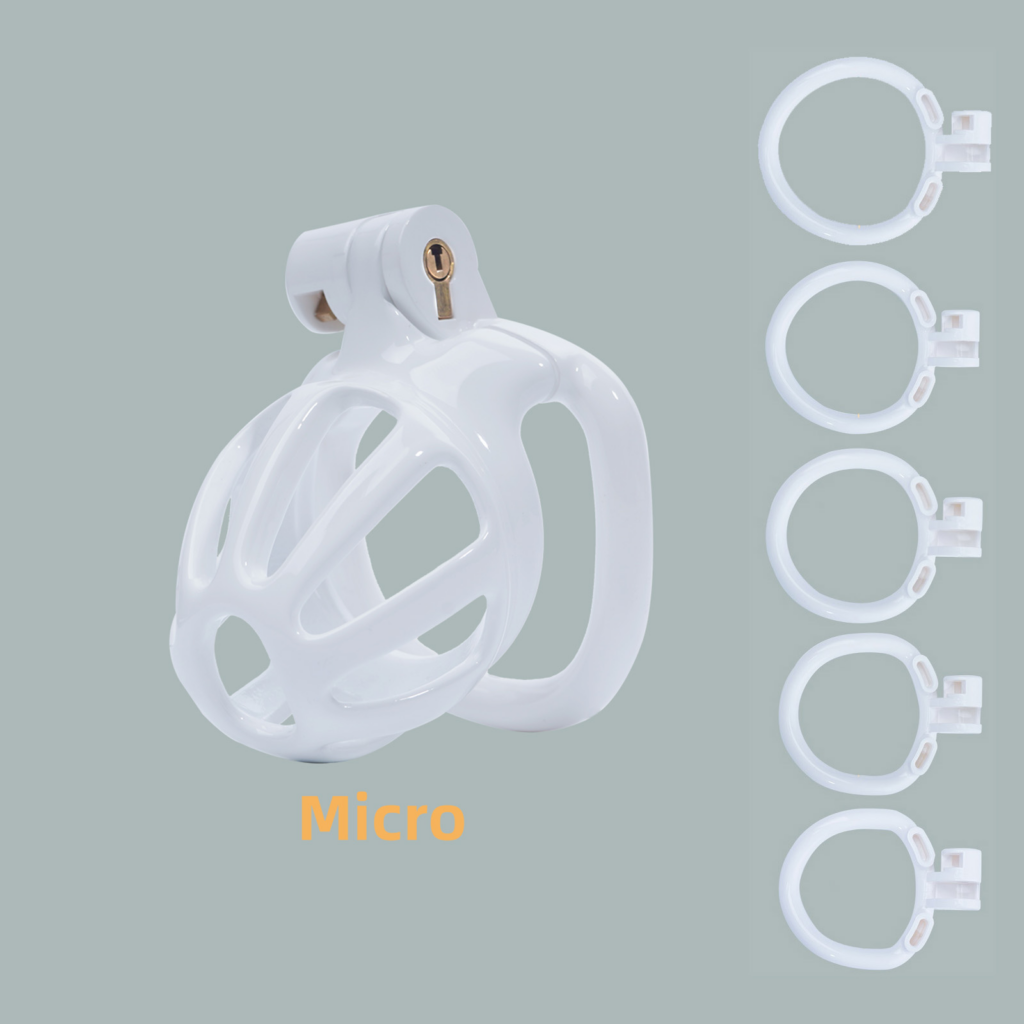
Look for cages with adjustable features such as multiple base ring sizes (typically 40-55mm) and interchangeable spacers. Some devices also offer curved rings for anatomical comfort.
Design Features for Real-Life Wear
Ventilation
- Airflow is Crucial: Choose a design with at least 30% open area to allow airflow and reduce moisture buildup, especially during self-bondage.
Urination
- Convenient Design: The cage should feature smooth, forward-facing holes to prevent sprayback and ensure comfortable urination without requiring the device to be removed.
Edges
- Rounded & Polished: Ensure the edges are smooth to prevent chafing. Run a cotton ball along the edges to check for rough spots or snags.
Security Without Compromise
A secure chastity cage should also prioritize comfort. Various lock types are available:
Brass Padlocks
- Traditional & Secure: Brass padlocks are secure but can rust over time. A durable finish can minimize rust issues.
Integrated Barrel Locks
- Discreet: Less prone to rust but harder to clean due to their design.
Numbered Plastic Seals
- Supervised Wear: Ideal for supervised wear, but not as secure as traditional locks.
Pro Tip:
Keep an emergency key readily accessible. Some newer models offer magnetic quick-release locks for convenience in self-bondage scenarios.
Hygiene Protocol
Maintaining proper hygiene is essential for preventing infections and promoting overall well-being.
Daily Hygiene:
- Remove and Wash: Clean with pH-balanced soap.
- Dry Thoroughly: Use a lint-free cloth.
- Moisturize: Apply a thin layer of coconut oil for moisture and antimicrobial protection.
Weekly Hygiene:
- Sterilize metal devices by soaking them in 70% isopropyl alcohol.
- Replace Silicone Devices: Every 3-6 months to prevent degradation.
Warning Signs to Look Out For:
- Skin Discoloration: White or blue skin can indicate poor circulation.
- Persistent Redness or Heat: This may signal inflammation or a poor fit.
- Unusual Odors: A sign of bacterial buildup even after cleaning.
When to Consult a Professional
Seek medical advice if you experience:
- Persistent Swelling: Doesn’t subside after removal.
- Inability to Remove: Device stuck in an emergency.
- Recurring Infections: Despite proper hygiene.
Final Recommendation: Chastity cage for daily
wear
For beginners, a $50-$100 3D-printed chastity cage is a great starting point. Brands like Mature Metal and Rigid Chastity offer medical-grade options and provide sizing consultations to ensure a proper fit.
Remember: The best chastity cage is one you forget you’re wearing—until you’re reminded. Prioritize health, comfort, and cleanliness to ensure a safe and hygienic experience.