







How to reduce discomfort in a chastity cage starts with one simple rule: a cage should feel secure, not painful. Mild pressure during adjustment can happen, especially for first-time users, but sharp pain, numbness, skin damage, swelling, or trouble urinating are warning signs. A good chastity cage should support safe wear through the right fit, smooth materials, breathable design, and proper cleaning.
This guide explains how to reduce discomfort in a chastity cage by focusing on fit, material, ventilation, hygiene, and daily wear habits. It is written for buyers who want a practical, safety-focused answer before choosing or upgrading a device.
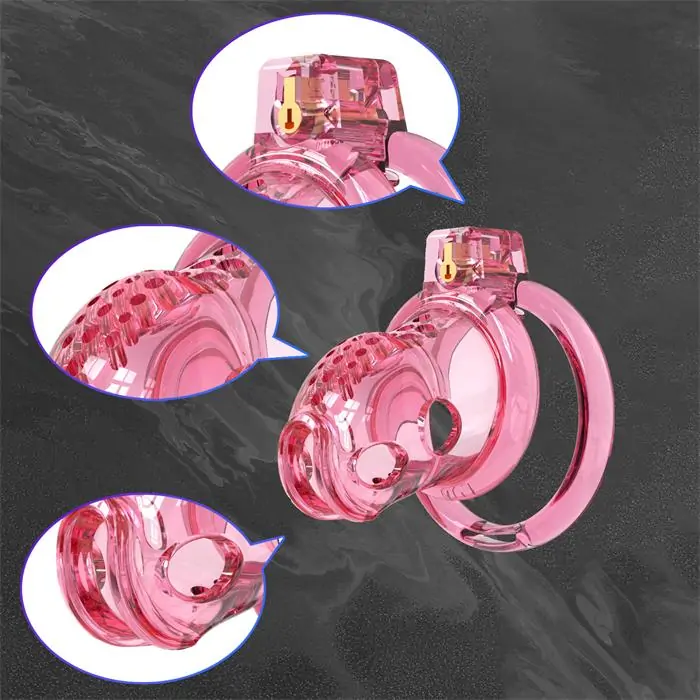
1. Why Discomfort Happens in a Chastity Cage
Discomfort usually comes from one of five problems:
- The base ring is too tight.
- The cage tube is too long, too short, or poorly shaped.
- The material causes friction or skin irritation.
- Sweat and moisture build up inside the device.
- The wearer keeps the cage on too long without checking the skin.
A chastity cage sits close to sensitive skin. That means small sizing mistakes can feel much worse after several hours of wear. Heat, sweat, friction, and pressure can also turn a small problem into redness, soreness, or irritation.
Medical sources note that genital itching or irritation can come from skin irritation, allergies, infections, and other causes, and symptoms that worsen or last should be checked by a healthcare provider.
2. Start with Fit: The Most Important Comfort Factor
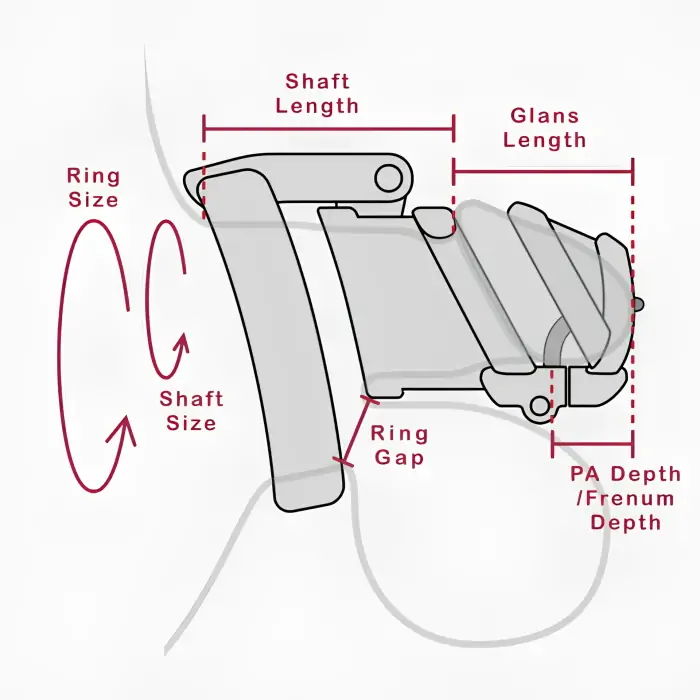
A poor fit is the main reason people feel pain in a chastity cage. The cage should hold the body comfortably without squeezing circulation or rubbing the same area again and again.
2.1 Choose the Right Base Ring Size
The base ring controls most of the pressure. If it is too small, it can cause tightness, pinching, skin marks, or swelling. If it is too large, the device may slide, pull, or rub during movement.
A better fit usually feels:
- Secure during walking
- Stable when sitting
- Snug but not crushing
- Free from sharp pinching
- Easy enough to remove when needed
A basic comfort test is simple. After wearing the ring for a short period, check whether the skin looks normal. Temporary light marks can happen, but deep marks, dark color changes, swelling, coldness, or numbness are not normal.
2.2 Check Cage Length
Many buyers assume a longer cage is more comfortable. That is not always true. A long cage may create extra movement, which leads to rubbing. A cage that is too short may create pressure at the tip.
The best length should:
- Reduce unnecessary movement
- Avoid constant tip pressure
- Keep the device aligned with the body
- Allow normal urination without painful pressure
For many users, a compact cage with a smooth inner shape feels better than a loose, oversized cage.
2.3 Check Cage Width
Width matters as much as length. If the cage is too narrow, it can squeeze the shaft and increase friction. If it is too wide, the device may shift and rub.
A comfortable width should allow the body to rest naturally inside the cage without side pressure. The inner surface should not press into one spot during walking, sitting, or sleeping.
3. Material Matters: Smooth, Body-Safe, and Easy to Clean
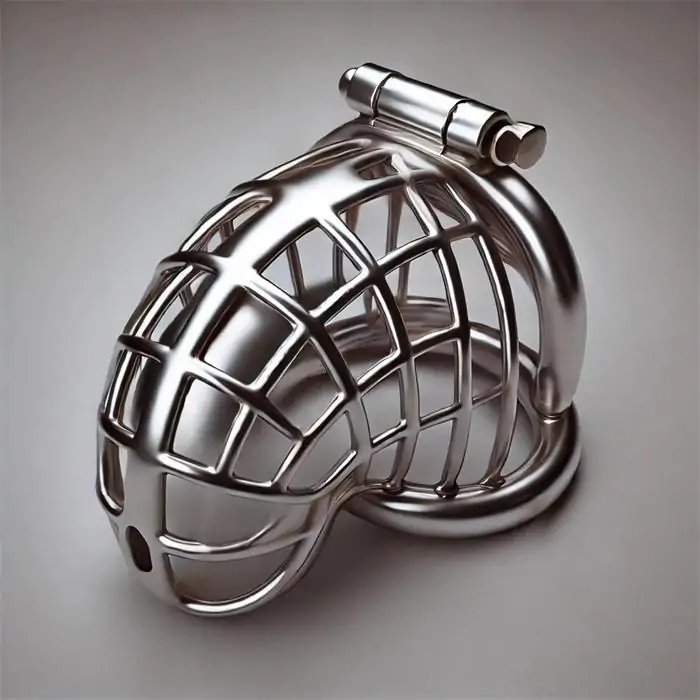
Material quality affects comfort, hygiene, and long-term wear. A chastity cage touches sensitive skin for long periods, so the surface should be smooth, non-irritating, and easy to clean.
3.1 Stainless Steel
Stainless steel is popular because it is strong, smooth, and easy to wash. A polished steel cage can reduce friction if the edges are finished well. It also gives a firm, secure feel.
Good stainless steel cages should have:
- Smooth welded areas
- Rounded edges
- No rough seams
- No peeling coating
- Good ventilation openings
A steel cage may feel heavier than plastic or silicone, so buyers should consider weight if they plan longer wear.
3.2 Silicone
Silicone can feel softer and more flexible. It may be a good choice for beginners who want less rigid pressure. The downside is that some soft designs can trap more heat and sweat if ventilation is poor.
For comfort, choose silicone that is:
- Smooth to the touch
- Easy to clean
- Flexible but not sticky
- Free from strong chemical smell
- Designed with enough airflow
3.3 Plastic or Resin
Plastic and resin cages are lightweight, which may help comfort during daily movement. But low-quality plastic can have rough seams, sharp mold lines, or porous surfaces that are harder to clean.
Before wearing a plastic cage, inspect:
- The inner tube
- The ring edges
- Locking points
- Ventilation holes
- Any seams near the skin
If you feel roughness with your finger, it may feel much worse on sensitive skin.
3.4 Avoid Unknown Materials
Material transparency matters. Products that do not clearly state the material can be risky for buyers who have sensitive skin. Consumer-focused sex toy safety guidance often recommends nonporous materials such as silicone, glass, and metal because they are generally easier to clean and less likely to hold residue than porous materials.
For chastity cages, the safest buying habit is simple: choose products with clear material information, smooth finishing, and cleaning instructions.
4. Ventilation: The Key to Reducing Heat, Sweat, and Odor
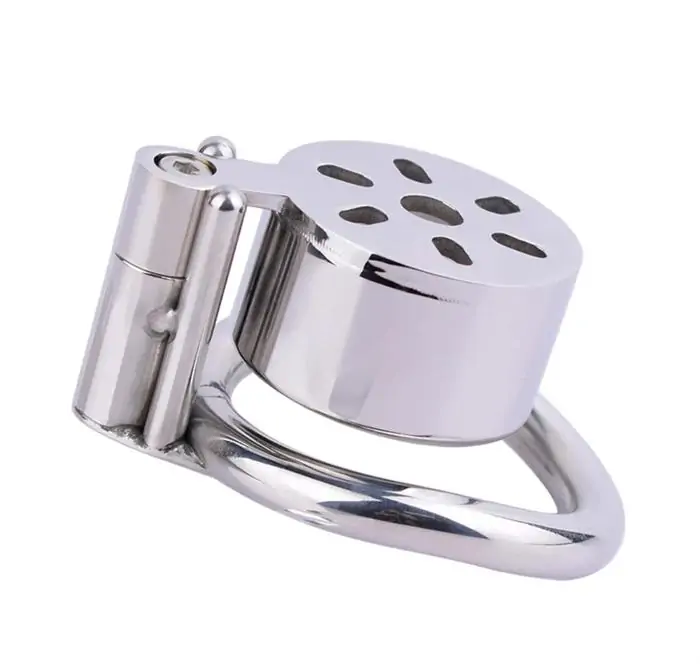
Ventilation is often overlooked, but it is one of the most important comfort features. A closed or poorly ventilated cage traps heat and moisture. That can lead to odor, itching, and skin irritation.
4.1 Look for Open Designs
A breathable chastity cage should allow air to move around the skin. Open-bar cages or cages with multiple holes are easier to rinse and dry.
Good ventilation helps with:
- Heat control
- Sweat reduction
- Faster drying
- Easier cleaning
- Lower odor buildup
4.2 Avoid Fully Closed Designs for Long Wear
Closed designs may look smooth, but they can be harder to clean while worn. They also hold moisture more easily. If a buyer wants longer wear, an open or semi-open design is usually more practical.
Moist, warm environments can support fungal growth in some situations. Cleveland Clinic notes that Candida can grow in warm, moist environments, and male yeast infection can cause a red, itchy rash.
4.3 Drying Is as Important as Washing
Many people wash the cage but do not dry the skin fully. That can leave moisture trapped inside the device.
After cleaning:
- Rinse away soap fully.
- Pat the skin dry.
- Let the cage dry before wearing again.
- Avoid putting a damp cage back on.
5. Hygiene Tips to Reduce Discomfort
Clean skin and a clean cage reduce the chance of odor, irritation, and soreness. Hygiene should be part of the daily routine, not an occasional step.
5.1 Use Gentle Cleaning Products
Strong soaps, scented products, and harsh disinfectants may irritate genital skin. Melbourne Sexual Health Centre advises avoiding irritants such as soaps, shower gels, bubble baths, perfumed products, cleansing wipes, and disinfectants on genital skin unless recommended by a healthcare professional.
For daily cleaning, choose:
- Warm water
- Mild, fragrance-free cleanser if needed
- Careful rinsing
- Full drying before rewearing
5.2 Clean the Cage Separately
Remove the device regularly for cleaning. Wash the cage according to its material:
| Material | Cleaning Tip |
|---|---|
| Stainless steel | Wash with mild soap and warm water, then dry fully |
| Silicone | Use mild soap, rinse well, and air dry |
| Plastic/resin | Check seams carefully and dry every groove |
| Coated metal | Avoid harsh scrubbing that damages coating |
A cage that looks clean may still hold moisture around seams, locks, or narrow holes. Those areas need extra attention.
5.3 Do Skin Checks
A skin check can prevent small irritation from becoming a bigger problem. Look for:
- Redness that does not fade
- Broken skin
- Swelling
- Burning feeling
- Itching
- Unusual odor
- Pain during urination
- Color changes
The NHS advises seeing a GP or sexual health clinic for symptoms such as sores, ulcers, rash, swelling, soreness, redness, changes in appearance, or symptoms that do not go away.
6. Wear Time: Build Up Slowly
Comfort improves when the body has time to adjust. First-time users should not jump straight into long wear. Start with short sessions and increase gradually only if there is no pain, swelling, numbness, or skin damage.
A safe adjustment plan could look like this:
- Wear the cage for 15–30 minutes at home.
- Remove it and check the skin.
- Try 1–2 hours if the first test feels fine.
- Test sitting, walking, and daily movement.
- Only extend wear time after repeated comfort checks.
Longer wear should be based on comfort and skin condition, not pressure to tolerate discomfort.
7. Lubrication and Anti-Friction Care
Friction is a major cause of soreness. A small amount of suitable lubricant can help reduce rubbing around the base ring or contact points.
Choose a product that matches the cage material. For example, some silicone lubricants may not be suitable for silicone products. Water-based lubricants are often easier to clean, but users should still test carefully and avoid anything that causes burning or itching.
Do not use thick creams, oils, or scented products unless they are safe for genital skin. Products that trap moisture may increase discomfort during longer wear.
8. Warning Signs: When to Remove the Cage Immediately
A chastity cage should never cause serious pain or circulation problems. Remove it immediately if you notice:
- Numbness
- Cold skin
- Blue, purple, or dark color changes
- Severe swelling
- Sharp pain
- Skin cuts
- Trouble urinating
- Burning that does not stop
- Strong odor with redness or discharge
Balanitis, for example, involves swelling and soreness of the head of the penis, and the NHS notes it is important to see a GP to find out the cause.
If the device cannot be removed safely, seek urgent help.
9. Real Buyer Scenarios and Solutions
Case 1: The Cage Feels Fine at First, Then Hurts After Walking
This often means the cage is moving too much or the ring is rubbing. The solution may be a better ring size, smoother edges, or a shorter cage that reduces movement.
What to try:
- Check ring size
- Inspect for rough seams
- Use a small amount of suitable lubricant
- Switch to a more stable design
- Shorten wear time during testing
Case 2: The Skin Gets Itchy After Several Hours
This may come from sweat, trapped moisture, material sensitivity, or cleaning product residue.
What to try:
- Remove and clean the cage
- Dry the skin fully
- Stop scented soaps
- Choose a more open design
- Consider a different material
If itching continues or worsens, stop wearing the cage and consider medical advice.
Case 3: The Tip Feels Too Much Pressure
This may mean the cage is too short, too narrow, or poorly shaped. A device should not press hard against the same point for long periods.
What to try:
- Choose a slightly different cage length
- Look for a smoother internal shape
- Avoid cages with narrow tips
- Check alignment when sitting and walking
10. Buying Checklist: How to Choose a More Comfortable Chastity Cage
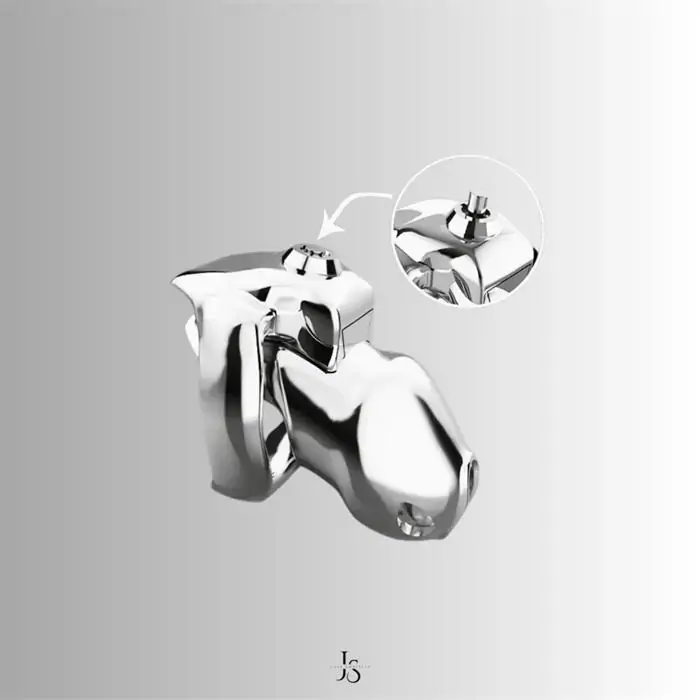
Before buying, check these points:
Fit Checklist
- Multiple ring size options
- Proper cage length
- Enough internal width
- Stable but not tight fit
- No sharp pressure points
Material Checklist
- Clear material description
- Smooth surface
- Rounded edges
- No chemical smell
- Easy to clean
Ventilation Checklist
- Open or semi-open structure
- Enough air holes
- Easy rinsing access
- Fast drying design
- No hidden moisture traps
Daily Use Checklist
- Easy to remove
- Easy to clean
- Comfortable when sitting
- Comfortable when walking
- No pain during urination
11. Common Mistakes to Avoid
Many discomfort problems come from avoidable mistakes.
Avoid these:
- Choosing the smallest ring for “security”
- Wearing a new cage for too long on the first day
- Ignoring numbness or color changes
- Using scented soap inside the device
- Wearing a damp cage
- Buying products with unclear materials
- Ignoring rough seams or sharp edges
- Assuming pain means the device is working
A secure chastity cage should rely on correct design and fit, not pain.
12. Final Comfort Tips
To reduce discomfort in a chastity cage, focus on fit first. The ring should be secure but not restrictive. The cage should control movement without pressing too hard. The material should be smooth and easy to clean. Ventilation should allow heat and moisture to escape.
For most buyers, the best chastity cage is not the tightest or most extreme model. It is the one that fits the body, supports hygiene, and can be worn safely for the intended period.
A simple rule is worth remembering: comfort, safety, and cleanliness should come before appearance. If a cage causes pain, numbness, swelling, broken skin, or lasting irritation, remove it and reassess the fit, material, and wear time before using it again.
More Guides: