







Best discreet chastity cage for daily wear is not simply the smallest or the cheapest model on the market. For most buyers, the right choice comes down to comfort, low visibility under clothing, safe fit, easy hygiene, and materials that suit long hours of use. If a cage looks discreet but causes pinching, rubbing, pressure, or poor airflow, it is not a good daily-wear option.
Many shoppers search for one product that can do everything. In reality, daily wear is highly personal. Body shape, clothing style, activity level, skin sensitivity, and experience all affect what feels discreet and manageable. That is why a smart buying decision starts with understanding what daily wear actually demands.
This guide explains what to look for before buying, what mistakes beginners often make, and how to compare features in a practical way.
What “discreet” really means in daily wear
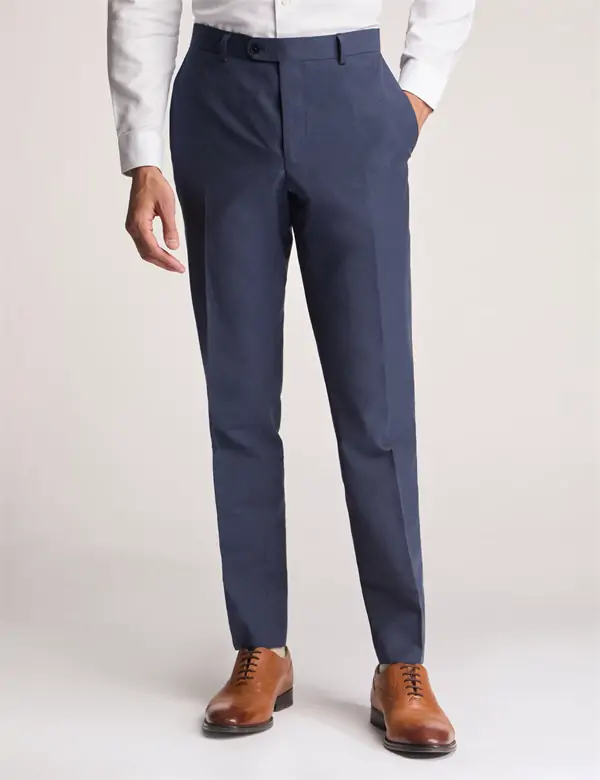
A discreet cage is not only one that hides well. It also needs to stay stable during normal life. If a device shifts too much, creates a visible outline, or becomes uncomfortable after walking, sitting, or using the restroom, it stops being discreet in practice.
For daily wear, discretion usually includes five things:
- A low-profile shape under pants or shorts
- Minimal bulk at the front
- A stable fit that does not move too much
- A design that does not create sharp pressure points
- A structure that allows cleaning and airflow
A cage can look small in product photos and still perform poorly in real-world use. That is why buyers should judge design by function, not marketing language alone.
Why daily wear requires a different standard
Some cages are made for occasional use, visual appeal, or novelty. Daily wear is different. A cage worn for longer periods has to handle movement, heat, moisture, bathroom use, and long hours in different positions.
Comfort matters more than appearance
A highly polished metal cage may look premium. A very tight micro cage may look more restrictive. Neither is automatically better for all-day wear. Daily use rewards designs that reduce friction and distribute pressure evenly.
Stability matters more than extreme restriction
Many first-time buyers assume a tighter device is always better. That is not a reliable rule. For daily wear, excessive tightness can create soreness, rubbing, or swelling. A secure fit matters, but comfort and circulation matter more.
Hygiene is not optional
Daily wear introduces practical concerns that casual use may not. Ventilation, drainage, and cleaning access become much more important when a product may stay on for extended periods.
The most important features to check before buying
1. Low-profile shape
The best discreet chastity cage for daily wear usually has a shape that sits close to the body. A long protruding tube is more likely to print through clothing. A compact design with a modest front profile usually hides better.
Look for:
- A shorter cage length that matches your natural flaccid size
- A shape that follows the body rather than sticking outward
- Rounded edges instead of sharp transitions
- A profile designed for regular pants, jeans, or tailored clothing
Flat-front and ergonomic designs are often easier to conceal than bulky cylindrical models.
2. Correct ring size
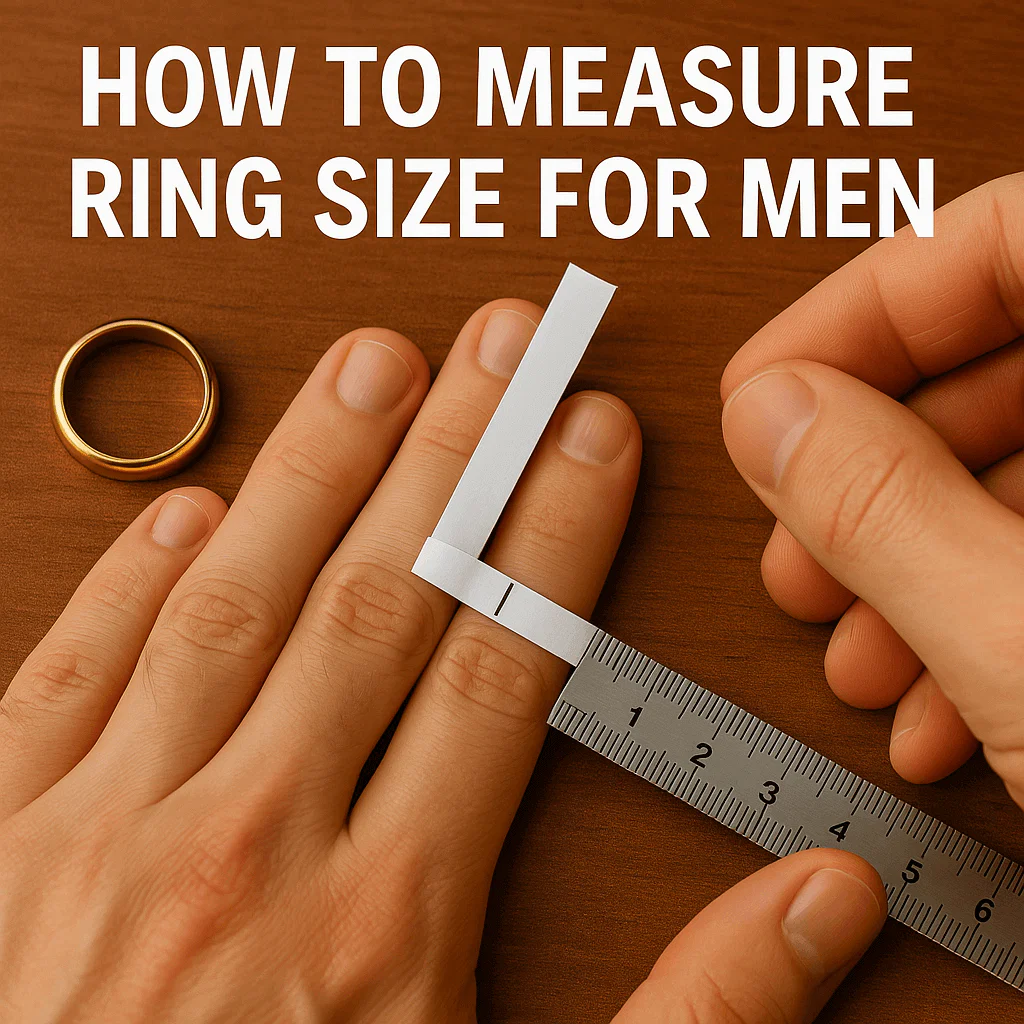
The base ring is one of the most important parts of the fit. If the ring is too tight, it can create pressure and discomfort. If it is too loose, the cage may shift too much or fail to stay secure.
Signs a ring may be too small
- Pinching at the base
- Redness that does not fade quickly
- Numbness or coldness
- Persistent discomfort during walking or sitting
Signs a ring may be too large
- Excess movement
- Poor stability
- Easy slipping
- Chafing from friction
A well-sized ring should feel secure without causing constant awareness or pain.
3. Appropriate cage length
Length should be chosen realistically. Many buyers make the mistake of sizing too aggressively. For daily wear, that often leads to discomfort instead of better performance.
A practical daily-wear cage length should:
- Support a natural flaccid position
- Avoid excessive empty space
- Avoid crushing or folding uncomfortably
- Stay manageable when sitting and moving
Beginners usually do better with a moderate fit rather than the smallest possible cage.
4. Material choice

Material affects weight, temperature, feel, cleaning, and comfort.
Resin or plastic
These are often chosen for daily wear because they are:
- Lightweight
- Usually more comfortable for beginners
- Less affected by temperature than metal
- Easier for some users to wear under clothing
The downside is that quality varies a lot. Poorly finished plastic can feel rough or brittle.
Metal
Metal cages are popular because they are durable and easy to clean. They also have a clean, rigid feel that some users prefer. Still, metal is heavier, and some buyers find that long daily wear becomes more noticeable.
Metal may work well for experienced users, but weight and temperature response should be considered carefully.
Silicone or softer materials
Softer materials can reduce hard pressure points, but they are not always ideal for structure and long-term stability. Much depends on the design quality.
For daily wear, lightweight and smooth materials often outperform heavy or overly rigid designs for beginners.
5. Ventilation and cleaning access

The best discreet chastity cage for daily wear should never ignore hygiene. Designs with poor airflow or limited access are harder to maintain.
Look for:
- Open areas for rinsing and cleaning
- Adequate drainage
- Enough airflow to reduce moisture buildup
- A structure that does not trap too much heat
This is especially important in warm climates, during commuting, or for users who sit for long hours.
6. Lock style and overall practicality
A locking system should be secure, but also practical. Oversized locks can add bulk and make a cage less discreet under clothing.
Smaller, well-integrated lock options are often better for daily use. What matters most is that the lock does not create sharp edges or obvious extra volume.
Real-life use factors buyers often forget
Product pages often focus on measurements and material. Those matter, but daily wear is also shaped by lifestyle.
Clothing choice affects discretion
A cage that feels discreet under relaxed pants may show clearly under slim trousers. Before buying, think about what you actually wear most often:
- Jeans
- Dress pants
- Work uniforms
- Athletic shorts
- Loungewear
A good daily-wear choice should match your wardrobe, not only your body.
Activity level changes the experience
Someone working at a desk all day may tolerate a different design than someone who walks constantly, drives long distances, or uses stairs often. More movement means more chances for rubbing and shifting.
Skin sensitivity matters
If you are prone to irritation, sweating, or friction marks, material finish and smooth edges become even more important. A highly polished or carefully finished surface is often worth paying extra for.
Common buying mistakes
Choosing by appearance alone
A cage that looks sleek in photos may not be the best discreet chastity cage for daily wear. Product photography cannot show pressure points, stability, or how a design behaves after six hours of movement.
Going too small too soon
This is one of the most common mistakes. Buyers often think smaller means more secure or more effective. In practice, overly aggressive sizing often leads to discomfort, frequent removal, and a poor first experience.
Ignoring hygiene design
A closed design may seem neat, but it can be less practical for everyday use. Daily wear demands realistic cleaning access.
Overlooking edge finishing
Even the right material can feel wrong if the finishing is poor. Rough seams, sharp lock areas, or poorly shaped openings can turn a promising product into a frustrating one.
How to evaluate a product listing before buying
When reviewing a product page, ask these questions:
Is the product described for daily wear, or just shown as a general model?
A real daily-wear listing should mention comfort, airflow, shape, and practical use, not only aesthetics.
Are measurements clearly explained?
You should be able to see ring size options, cage length, width, and key fit details. Vague sizing is a warning sign.
Does the design look easy to clean?
Look closely at product photos. Open structures and practical access matter.
Is the finish smooth and well-made?
Zoom in on edges, hinges, openings, and connection points. Poor finishing often shows up there first.
Are reviews discussing comfort and fit?
The most useful reviews talk about movement, concealment, bathroom use, and daily comfort. Those are more valuable than generic praise.
A practical checklist before you buy
Use this short checklist to compare options:
- Is the shape low profile under normal clothing?
- Is the ring size appropriate, not overly tight?
- Is the cage length realistic for daily comfort?
- Is the material suitable for long hours of wear?
- Does the design allow cleaning and airflow?
- Is the lock compact enough for discretion?
- Does the finish look smooth and skin-friendly?
- Does the product match your daily routine and clothing style?
If several answers are unclear, the listing may not be detailed enough for a confident purchase.
What beginners should prioritize first
If you are buying your first daily-wear model, focus on these priorities in order:
1. Fit
A good fit is more important than strictness.
2. Comfort
Daily wear only works when the device remains manageable over time.
3. Hygiene
Easy cleaning is essential.
4. Concealment
Low-profile design matters, but not at the expense of safety and comfort.
5. Material quality
A better finish often leads to a better daily experience.
Final thoughts
Choosing the best discreet chastity cage for daily wear is really about balance. The right option should feel secure, stay low profile under clothing, and remain practical through normal daily life. Good daily wear is rarely about the most extreme design. It is about the most wearable one.
Before buying, pay close attention to ring size, cage length, material, ventilation, and how the design fits your clothing and routine. A smart choice will usually be compact, lightweight, smooth, and easy to clean.
For most buyers, the best result comes from being realistic, not aggressive. A discreet daily-wear cage should help you forget it is there for much of the day. That is usually the clearest sign that you chose well.
See the full sizing guide:
3D Printed Resin Chastity Cage vs Nylon Cage: Which Feels Better for Daily Wear?
Flat vs Inverted Chastity Cage: Which Design Is More Comfortable and Discreet?
Soft vs Hard Chastity Cage: Which One Is Better for First-Time Users?