






Chastity for beginners should start with one clear rule: comfort and safety come before appearance, tightness, or long wear time. A chastity cage, belt, or restraint device should never cause sharp pain, numbness, skin color changes, open sores, or trapped swelling. For first-time buyers, most problems come from poor sizing, rushing into long wear, choosing the wrong material, or ignoring early warning signs.
A good beginner experience is not about forcing the body to “adjust.” It is about choosing the right fit, testing slowly, keeping the skin clean, and knowing when to remove the device. Medical sources commonly describe pain, numbness, tingling, coldness, and skin color change as warning signs linked to circulation problems, so a beginner should treat those symptoms seriously rather than pushing through them.
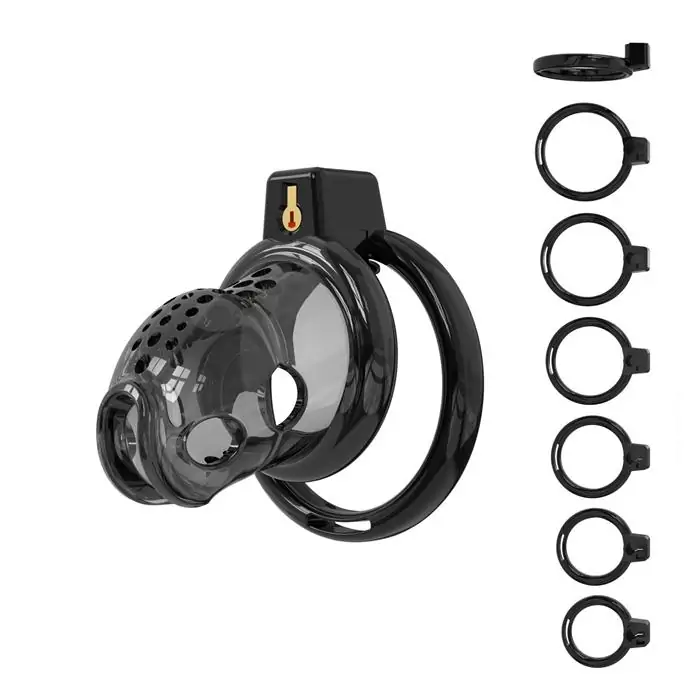
Why Beginners Often Experience Pain or Poor Fit
Many first-time users choose a device based only on photos. That is the first mistake. A device may look secure online but feel completely wrong on the body.
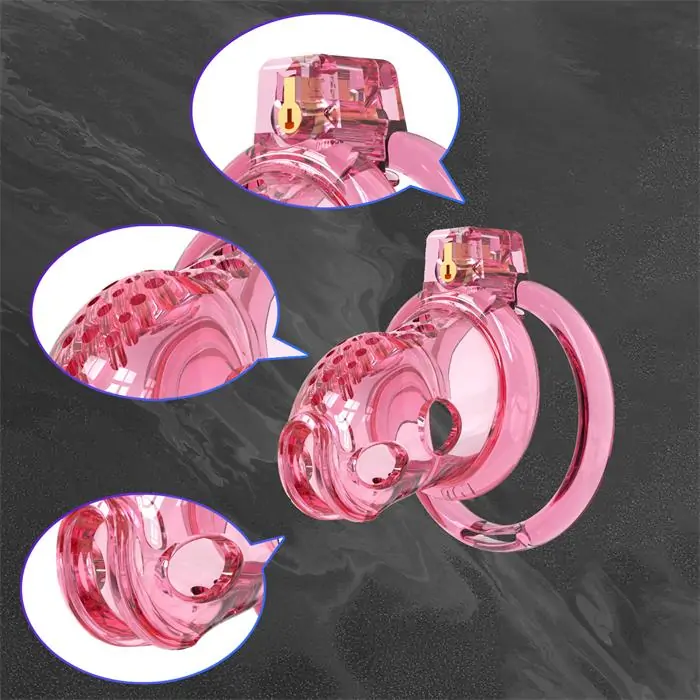
Poor fit usually comes from three issues:
- The ring is too small.
- The cage or tube is too long or too short.
- The device shape does not match the user’s anatomy or daily movement.
A beginner may also confuse “secure” with “tight.” These are not the same. A secure device should stay in place without crushing the skin, cutting into the base, or causing pressure marks that become painful.
Comfort Is Not Optional
Mild awareness of a new device is normal. Strong pain is not.
A beginner-friendly chastity device should allow:
- Normal skin color
- Normal warmth
- No numbness
- No sharp pinching
- No burning sensation
- No painful rubbing while walking or sitting
- Easy removal if discomfort appears
If the device causes numbness, cold skin, blue or purple color, or strong swelling, remove it immediately. These symptoms may suggest restricted circulation or nerve compression. Cleveland Clinic notes that poor circulation can cause pain, numbness, tingling, and coldness in affected areas.
How to Choose the Right Size
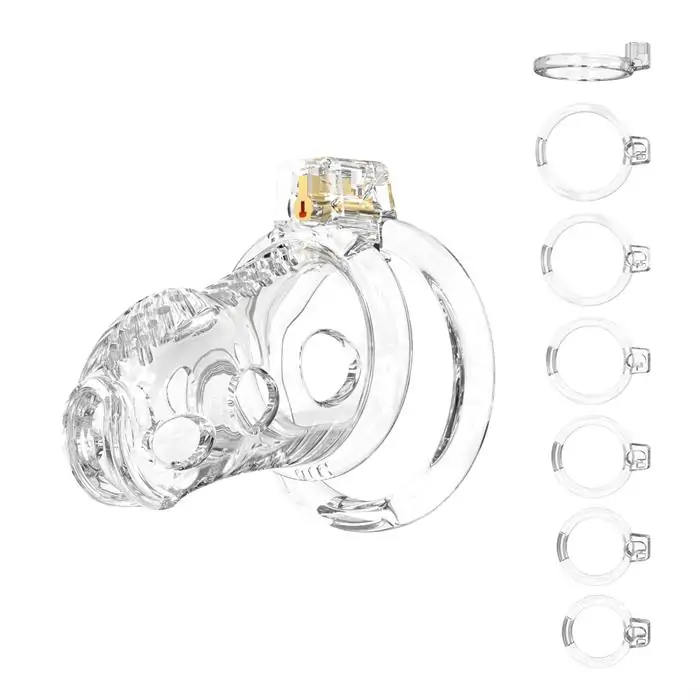
Sizing is the foundation of beginner safety. A small error can create daily discomfort.
1. Start With the Ring Size
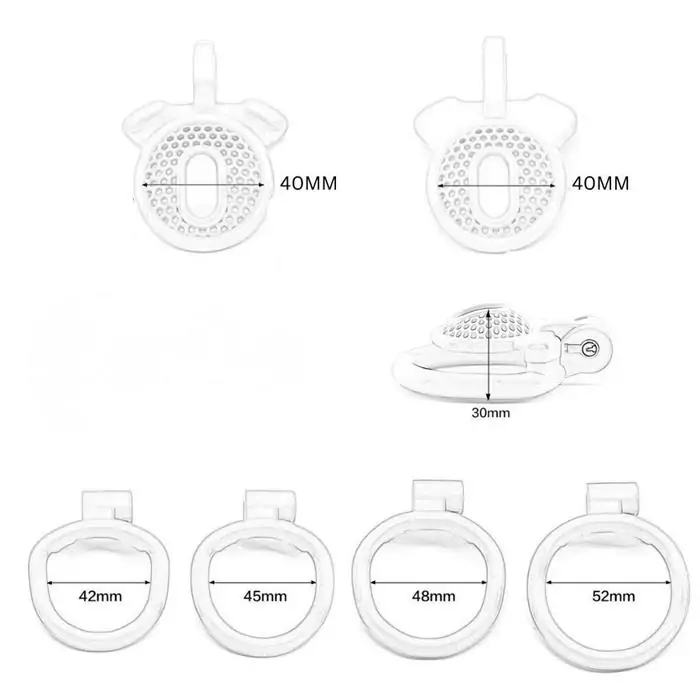
For cage-style devices, the base ring is often the most important part. If the ring is too large, the device feels loose and unstable. If it is too small, it may cause pressure, swelling, or circulation problems.
A good beginner ring size should feel snug but not painful. You should be able to move carefully, sit down, and walk without strong pressure.
Beginner mistake: choosing the smallest possible ring for maximum security.
Better choice: choose the smallest comfortable ring, not the smallest ring you can force on.
2. Check Cage Length
The cage should not create constant pulling or compression. A cage that is too long can move too much and cause rubbing. A cage that is too short can press the body into an uncomfortable position.
For beginners, a slightly shorter and more stable cage is often easier to manage than a long cage that shifts during movement. But it still must not cause pain or trapped swelling.
3. Pay Attention to Gap Size
The gap between the ring and cage matters. If the gap is too narrow, skin can get pinched. If the gap is too wide, the device may feel unstable.
Pinching often happens when sitting, bending, walking upstairs, or wearing tight underwear. Beginners should test these daily movements before wearing the device for longer periods.
Best Materials for First-Time Users
Material choice affects comfort, hygiene, weight, and skin reaction.
Plastic or Resin Devices
Plastic or resin devices are often lighter and easier for beginners. They may be more comfortable for short test sessions because they do not add much weight.
They are also useful for learning sizing before investing in a heavier metal device.
Possible downside: cheaper plastic may have rough edges, weak locks, or poor ventilation.
Silicone Devices
Silicone can feel softer, but softness does not always mean safer. Flexible material may bend, trap moisture, or rub the skin if the design is poor.
Choose body-safe silicone from a trusted seller. Avoid products with strong chemical smells or unclear material details.
Stainless Steel Devices
Stainless steel is strong, durable, and easy to clean. But it is heavier. Some beginners may feel pulling, pressure, or discomfort during long wear.
If choosing metal, check whether the product is high-grade stainless steel and whether the finish is smooth.
Avoid Unknown Metal Allergens
Some users react badly to nickel or low-quality metal coatings. Cleveland Clinic explains that nickel allergy may cause rash, itching, and dry skin after exposure, and contact dermatitis can also be triggered by jewelry metals.
For sensitive skin, avoid mystery metal blends. Choose medical-grade stainless steel, titanium, or high-quality body-safe plastic when possible.
First-Time Wearing Schedule
Beginners should not wear a chastity device for a full day immediately. The body needs testing time.
Suggested Beginner Testing Plan
Use a slow schedule like this:
- First test: 10–20 minutes at home
- Second test: 30–60 minutes while walking and sitting
- Third test: 2–3 hours during normal activity
- Later test: half-day wear only if there is no pain
- Overnight wear: only after several successful daytime tests
This gradual approach helps identify pressure points early.
Why Overnight Wear Should Wait
Overnight wear is riskier for beginners because the user may not notice pain, swelling, or circulation problems while sleeping. A device that feels fine for one hour may not feel safe after several hours.
Do not sleep in a new device until you fully understand how your body reacts to it.
Hygiene Rules Beginners Should Follow
Hygiene is one of the biggest beginner issues. A device can trap sweat, moisture, skin oils, and bacteria. Poor cleaning may lead to odor, irritation, itching, or inflammation.
The NHS advises washing the penis daily using water or an emollient, gently washing under the foreskin when applicable, and drying carefully after washing. It also advises avoiding soap or shower gel in cases of balanitis symptoms because these can irritate sensitive skin.
Daily Cleaning Tips
For short wear:
- Clean the device before and after use.
- Wash the skin gently.
- Dry the skin fully before wearing again.
- Check for redness, cuts, or swelling.
For longer wear:
- Use devices with good ventilation.
- Rinse carefully if the design allows.
- Remove the device regularly for full cleaning.
- Avoid wearing over broken or irritated skin.
Watch for Infection or Inflammation
If there is swelling, rash, itching, burning, white discharge, sores, or unusual odor, stop wearing the device. Mayo Clinic notes that yeast infections in men can lead to balanitis, which may cause swelling, rash, itching, burning, and discharge.
A chastity device does not directly cause every skin problem, but trapped moisture and friction can make irritation worse. If symptoms continue, seek medical advice.
Common First-Time Mistakes
Mistake 1: Buying Based Only on Appearance
A device may look attractive but still fit poorly. Beginners should choose function first.
Look for:
- Smooth edges
- Adjustable sizing
- Clear size chart
- Body-safe material
- Easy cleaning
- Reliable lock design
- Good ventilation
Avoid products with unclear measurements or vague material descriptions.
Mistake 2: Wearing Too Long Too Soon
Many beginners want to test commitment immediately. This often causes pain, rubbing, or swelling.
Start with short sessions. Build slowly. A successful first week is not about maximum wear time. It is about finding a safe routine.
Mistake 3: Ignoring Pinching
Pinching is not a minor issue. Repeated pinching can break the skin and create painful irritation.
Common pinch points include:
- The underside of the base ring
- The gap between ring and cage
- Hinged ring areas
- Locking points
- Rough cage openings
If pinching happens, stop and adjust the size or design.
Mistake 4: Choosing a Device That Is Too Heavy
Heavy metal devices may look strong, but they can pull downward during daily movement. This can cause soreness around the base and discomfort while walking.
Beginners often do better with lightweight designs before moving to heavier models.
Mistake 5: Not Testing With Normal Clothing
A device may feel fine while standing still. It may feel very different under jeans, tight underwear, or work clothes.
Before wearing outside, test it at home while:
- Sitting
- Walking
- Bending
- Climbing stairs
- Using the bathroom
- Wearing normal underwear
This reveals problems before they become serious.
Practical Beginner Case Examples
Case 1: The Ring Was Too Small
A beginner chooses a tight ring because he wants better security. After 30 minutes, the skin feels cold and numb. This is not normal adjustment. It is a warning sign.
Better solution: remove the device, try a larger ring, and test again for a shorter time.
Case 2: The Cage Rubs During Walking
Another beginner feels fine while standing but gets soreness after walking. The cage shifts too much and rubs against the skin.
Better solution: check cage length, underwear support, and gap size. A more stable design may work better.
Case 3: The Material Causes Itching
A user buys a cheap metal device and notices itching and redness after wear. This may be irritation or metal sensitivity.
Better solution: stop wearing the device, let the skin recover, and consider body-safe plastic, titanium, or higher-grade stainless steel.
How to Know a Chastity Device Fits Correctly
A proper beginner fit should feel secure but manageable.
Good Fit Signs
- No sharp pain
- No numbness
- No blue, purple, or pale skin color
- No trapped swelling
- No broken skin
- No strong pulling
- No painful pressure when sitting
- No burning or itching after cleaning
Bad Fit Signs
Remove the device if you notice:
- Numbness or tingling
- Cold skin
- Skin color change
- Swelling that does not settle quickly
- Sharp pain
- Cuts or blisters
- Painful urination
- Rash or discharge
- Panic or strong discomfort
Do not try to “train through” these problems. Pain is useful information.
Buying Checklist for Chastity Beginners
Before buying, ask these questions:
Size and Fit
- Does the seller provide clear measurements?
- Are there multiple ring sizes?
- Can the device be adjusted?
- Is the cage length suitable for a beginner?
- Is there enough space to avoid pinching?
Material and Safety
- Is the material clearly listed?
- Is it body-safe?
- Is the surface smooth?
- Is it easy to clean?
- Does it avoid known allergy risks?
Daily Use
- Can you use the bathroom easily?
- Can you clean it properly?
- Can you remove it quickly if needed?
- Does it work with normal underwear?
- Is it practical for your lifestyle?
Tips for a Better First Week
A safe first week should be slow and careful.
Use these steps:
- Wash and dry the skin before wearing.
- Apply the device gently without forcing it.
- Wear it for a short test period.
- Check skin color and comfort.
- Remove it if any warning signs appear.
- Clean both skin and device after use.
- Wait until the skin feels normal before the next test.
Keep notes on ring size, cage comfort, and wear time. This helps you understand what works.
Should Beginners Choose a Cage or Belt?
For most beginners, a cage is easier to test because it is smaller, lighter, and usually simpler to size. A full belt may offer more coverage, but it can be harder to fit and may affect sitting, walking, and bathroom use.
A beginner cage is usually better if you want:
- Easier sizing
- Lower cost
- Short test sessions
- Less body coverage
- Easier cleaning
A belt may be better if you want:
- More coverage
- Stronger structure
- Less shifting
- A more secure design
Still, a belt requires careful measurement. Poor belt fit can create hip pressure, waist rubbing, and sitting discomfort.
Final Buying Advice
Chastity for beginners should be treated as a careful fit-and-safety process, not a challenge to tolerate pain. The best first device is not always the strongest, smallest, or most expensive one. It is the one that fits your body, stays clean, allows normal circulation, and can be removed quickly if something feels wrong.
Start with short sessions. Choose body-safe materials. Avoid tight sizing. Check your skin often. Stop immediately if you feel numbness, coldness, strong pain, swelling, rash, or skin color changes.
A good beginner experience should feel controlled, clean, and secure — not painful, risky, or confusing.
Our Other Guides:
Chastity for Beginners: How to Choose Your First Comfortable Device
Chastity for Beginners: How to Choose Your First Comfortable Device
How to Reduce Discomfort in a Chastity Cage: Fit, Material, and Ventilation Tips